Vegetarian Diet for Kids: How to Make Sure They Get Enough Nutrients
Some families have eaten vegetarian for generations, for cultural or religious reasons. Others are cutting down on meat for health or for the planet. And sometimes a child comes home one day and announces that they will not eat meat any more.
Whatever the reason, the good news is that a well-planned vegetarian diet can be a very healthy way to eat at any age, according to KidsHealth. The key word is planned. A vegetarian diet for kids needs a little thought to make sure growing bodies get everything they need.
Types of vegetarian diet
Most vegetarians eat no meat, poultry or fish but do include eggs and dairy foods. Some eat dairy but not eggs, or eggs but not dairy. Vegans eat no animal products at all, including eggs, dairy and honey.
The less strict the diet, the easier it is for children to get all the nutrients they need. A vegan diet can work for children too, but it needs more careful planning.
The nutrients to plan for
Vegetarian diets are usually rich in fruit, vegetables and fibre. But a few nutrients are mainly found in meat and fish, so they need a little attention:
- Protein: eggs, milk, yoghurt and cheese, tofu and tempeh, beans, lentils and chickpeas, and nuts.
- Iron: eggs, beans and lentils, dried fruit, whole grains, leafy green vegetables, and iron-fortified cereals and bread.
- Calcium: dairy foods, dark leafy greens, broccoli, beans, and fortified soy drinks and cereals.
- Vitamin B12: dairy foods, eggs and fortified foods such as some cereals and plant drinks. B12 is the nutrient vegan children are most likely to miss.
- Vitamin D: fortified milk and other fortified foods, plus sensible sunlight.
Iron is one of the trickiest nutrients to get from plants. Our guide to iron-rich foods for kids explains how to help the body absorb more of it.
Babies and toddlers
For babies, breast milk or formula provides most of what they need, especially in the first six months. Mothers who are vegan and breastfeeding may need a B12 supplement for themselves and their baby, so ask your doctor. From around six months, babies need iron from food, such as iron-fortified baby cereal. Soft, protein-rich foods like mashed tofu, yoghurt and puréed lentils or chickpeas are good first foods.
Toddlers can be fussy, and vegetables are bulky. A toddler may feel full before they have had enough energy and nutrients. Offer healthy snacks between meals, such as yoghurt, egg, cheese or nut butter on toast, to fill the gaps.
Older children and teenagers
If your child decides to go vegetarian, try not to panic. Ask why they have made the choice and talk about what it means for their meals. Then plan together, so it does not become a diet of chips and pasta. For growing teenagers, KidsHealth says a vegetarian diet that includes eggs and dairy is the best choice.
Easy meat-free meal ideas
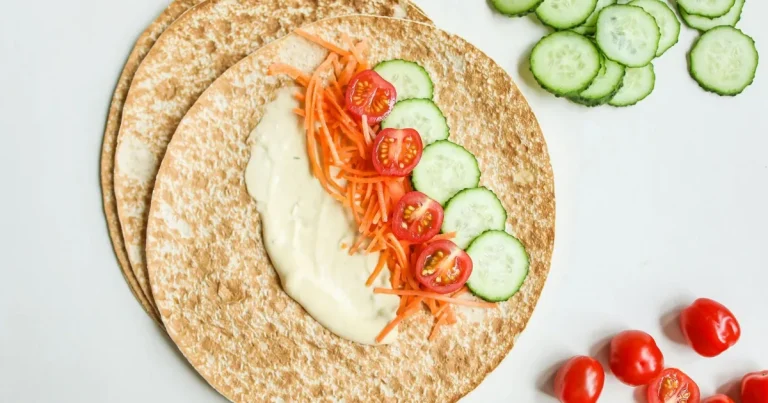
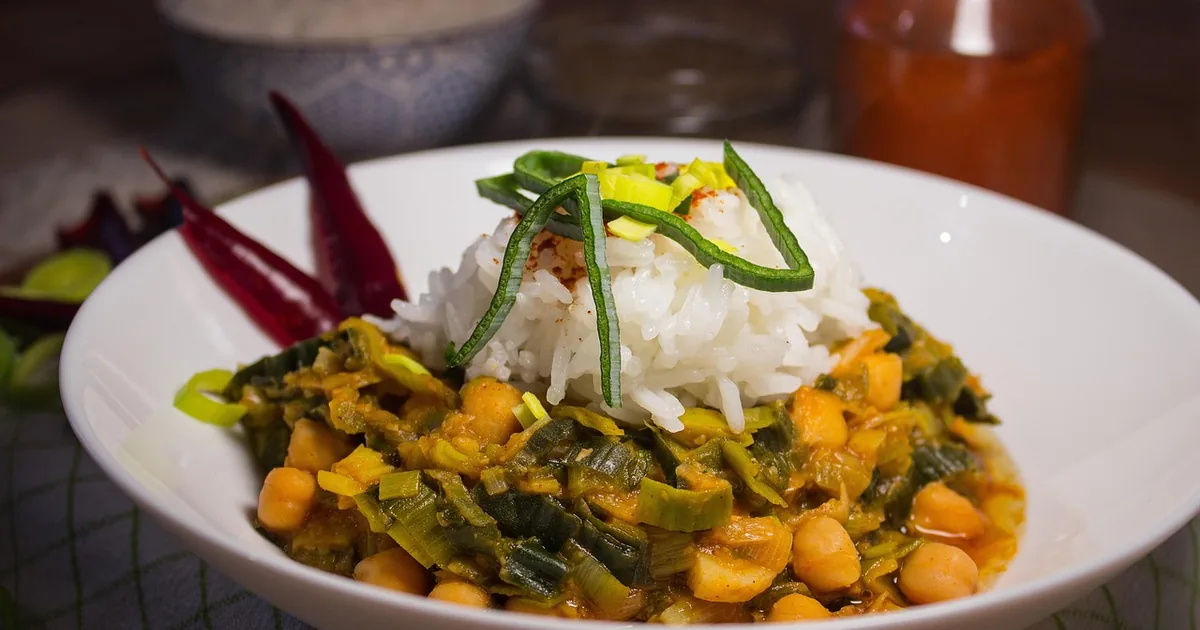
Plenty of popular family meals are naturally meat-free or easy to adapt. Try a lentil or chickpea curry with brown rice and spinach, a tofu and vegetable stir-fry with noodles, or egg fried rice with peas, carrots and sweetcorn. Bean and cheese wraps with salad make a quick lunch, and a vegetable soup with beans and wholemeal bread is a filling dinner.
Check with a professional. A doctor or dietitian can help you plan a vegetarian or vegan diet for your child and tell you whether a vitamin or mineral supplement, such as B12, vitamin D or iron, is needed. This article is general information and not a substitute for individual medical advice.
Photo: plesektomas via Pixabay