E-Cigarettes and Teenagers: What Parents Need to Know
They come in bright colours and sweet flavours, and some look more like a highlighter pen or a toy than a cigarette. E-cigarettes have become common among teenagers in many countries, and many parents are not sure how worried to be or what to say.
Here is what the World Health Organization says about e-cigarettes and teenagers, and how you can help your child make a healthy choice.
What are e-cigarettes?
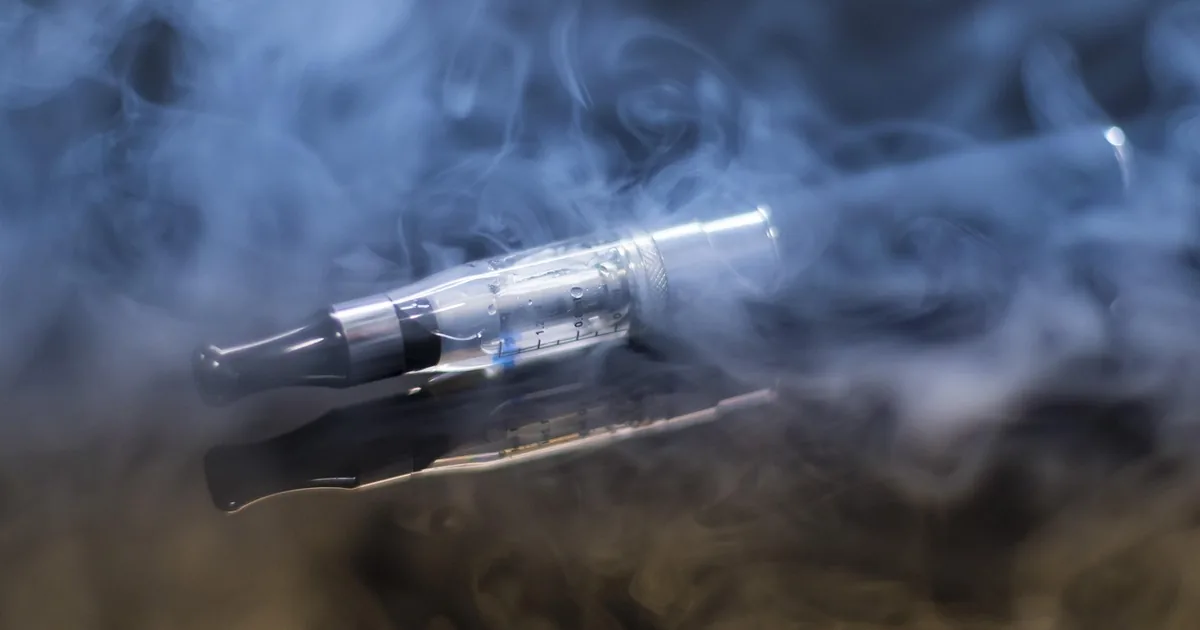
E-cigarettes heat a liquid into an aerosol that the user breathes in. The liquid usually contains nicotine, along with flavour chemicals and other substances that can be harmful. Some products claim to be nicotine-free, but WHO notes that some of these have been found to contain nicotine anyway.
Why young people are a target
WHO is concerned that e-cigarettes are aggressively marketed to young people. They are promoted through social media and popular online personalities, in at least 16,000 attractive flavours, sometimes with cartoon characters or sleek designs. Some even look like toys and games.
WHO describes an alarming increase in use among children and young people, with rates higher than among adults in many countries. Even brief exposure to e-cigarette content on social media is linked with teenagers being more likely to want to try them.
The risks for teenagers
- Addiction. Nicotine is highly addictive. Teenagers who start can find it very hard to stop.
- The developing brain. Nicotine harms brain development in children and adolescents, with possible long-term effects on learning and anxiety.
- A path to smoking. According to WHO, studies show that using e-cigarettes nearly triples the chance that young non-smokers will go on to smoke ordinary cigarettes.
- Harmful substances. E-cigarettes produce toxic substances, some known to cause cancer and some that raise the risk of heart and lung problems. The long-term effects are not yet fully known.
- Injuries. Faulty or tampered devices have caused burns from explosions.
The aerosol also exposes people nearby, including younger brothers and sisters, to nicotine and other substances.
Keep e-liquids away from young children. The liquid in e-cigarettes is poisonous if swallowed, and devices can leak. If anyone in your home uses e-cigarettes, store devices and refills locked away, out of sight and reach. If a child swallows e-liquid, get medical help straight away.
How to talk to your teenager
Lectures rarely work with teenagers, but honest conversations can. A few ideas:
- Start early and keep it casual. Bring it up when you pass a shop display or see an advert online, rather than waiting for a crisis.
- Ask before you tell. “Do people at school use them?” and “What do you think about it?” invite more than a warning does.
- Talk about the marketing. Teenagers dislike being manipulated. Explain that sweet flavours, paid online promotion and cool designs are deliberate ways to hook young customers.
- Stick to facts. Exaggerating the risks can backfire. The real facts about addiction and the developing brain are serious enough.
- Help them plan what to say if a friend offers one, so saying no feels easy.
- Lead by example. If you smoke or use e-cigarettes, talking honestly about how hard it is to stop can be powerful.
Finding out that your teen already uses them is upsetting, but try to stay calm. Anger often leads to secrecy. Ask what they like about it and whether they have tried to stop, and offer to help. Our guide to getting your teenager to talk has tips for keeping the conversation open.
Laws on e-cigarettes vary widely. According to WHO, they are banned in about 35 countries, while elsewhere the rules on sales and ages differ, so check what applies where you live. If your teenager wants to stop and is finding it hard, their doctor can help. This article is general information and not a substitute for professional advice.