Best Brain Foods for Kids During Exam Season
Somewhere between the past papers and the colour-coded revision timetables, most parents ask the same question: “What should I actually be feeding them right now?”
It’s a great question — and the answer matters more than most families realise.
The brain accounts for roughly 20% of the body’s total energy use. During intense periods of study and stress, it demands even more fuel. What your child eats in the weeks around exams directly affects their concentration, memory recall, mood stability, and how well they sleep — all the things that determine whether they walk into that exam hall feeling ready or running on empty.
The good news? You don’t need to overhaul everything. A handful of specific foods, eaten consistently, make a genuine difference. Here’s what to prioritise — and why.
The Brain Food Basics: What You’re Actually Feeding
Before diving into the food list, it helps to understand what the brain actually needs during high-demand periods:
- Stable blood sugar — for consistent energy and focus without the mid-afternoon crash
- Healthy fats (omega-3s) — for brain cell structure, memory, and reducing inflammation
- Protein and amino acids — for neurotransmitter production (the brain chemicals behind mood, focus, and alertness)
- B vitamins, iron, and zinc — for nerve function, oxygen delivery to the brain, and learning capacity
- Antioxidants — to protect brain cells from the oxidative stress that builds during intense cognitive work
The foods below tick multiple boxes at once. That’s what makes them worth knowing.
The Best Brain Foods for Kids During Exam Season
1. Eggs
If there’s one exam-season breakfast worth fighting for, it’s eggs. They contain choline — a nutrient essential for producing acetylcholine, the neurotransmitter linked to memory and learning — along with high-quality protein, B vitamins, and iron. Scrambled, boiled, in an omelette with vegetables — the format doesn’t matter. What matters is getting them on the plate.
Quick win: a two-egg breakfast before a morning exam beats toast and cereal on every measure that counts for performance.
2. Oily Fish (or Walnuts and Flaxseeds for Vegetarians)
Omega-3 fatty acids — specifically DHA — are the building blocks of brain cell membranes. Low DHA is consistently linked to poor concentration, low mood, and reduced memory function in children and teens. For families who eat fish, salmon and sardines are the richest sources. For vegetarian families, walnuts and ground flaxseeds are the best plant-based alternatives — both worth adding to smoothies, yoghurt, or porridge without anyone noticing.
3. Lentils and Chickpeas
This is the vegetarian family’s secret weapon during exam season — and frankly, it should be everyone’s. Lentils and chickpeas are packed with plant-based protein, iron, zinc, and complex carbohydrates that release energy slowly, keeping blood sugar stable for hours. Iron in particular is critical: even mild iron deficiency in teens causes fatigue, poor concentration, and reduced cognitive stamina — exactly what you don’t want in the week of exams.
Dal, hummus, lentil soup, chickpea curry — these aren’t just comforting meals. During exam season, they’re functional nutrition.
4. Greek Yoghurt
High in protein, rich in B vitamins, and packed with probiotics that support gut health — which research increasingly links to mood regulation and cognitive function. The gut-brain connection is real, and a healthy gut microbiome during stress makes a measurable difference to how children feel and focus.
Plain Greek yoghurt with berries and a handful of walnuts is one of the best study snacks going. Takes two minutes. Ticks almost every box.
5. Blueberries
Sometimes called “brain berries” — and the nickname is earned. Blueberries are exceptionally high in antioxidants called flavonoids, which improve blood flow to the brain, slow age-related cognitive decline, and — relevant right now — have been shown in studies to improve memory and learning in the short term.
Fresh, frozen, or stirred into yoghurt: it doesn’t matter. A handful a day during exam season is genuinely worth building in.
6. Dark Leafy Greens
Spinach, kale, and broccoli are rich in folate, vitamin K, and antioxidants that support brain health and cognitive function. Folate specifically is essential for DNA repair and neurotransmitter synthesis — and many teenagers are deficient without knowing it.
You don’t need to serve a salad every day. Spinach disappears into a smoothie without a trace. Broccoli in a stir-fry alongside noodles or rice rarely causes a diplomatic incident. Get it in where you can.
7. Nuts and Seeds — Especially Pumpkin Seeds
Pumpkin seeds are one of the most nutrient-dense snacks in existence — rich in zinc (critical for memory and attention), magnesium (which supports nerve function and sleep quality), iron, and omega-3s. A small handful as an afternoon snack or sprinkled over a meal adds up meaningfully over weeks of consistent use.
Almonds and cashews are excellent too — high in vitamin E, healthy fats, and magnesium. A mixed nut and seed mix is one of the easiest exam-season upgrades a family can make.
8. Wholegrains
Oats, wholegrain bread, brown rice, quinoa — these release glucose slowly and steadily, providing the brain with consistent fuel rather than the spike-and-crash pattern of refined carbohydrates. Porridge for breakfast before a morning paper is not just comforting — it’s the right fuel. Quinoa with dinner instead of white rice keeps energy and focus stable through an evening revision session.
9. Avocado
Rich in monounsaturated fats, vitamin K, and B vitamins — particularly B6, which plays a direct role in neurotransmitter production. Avocado supports healthy blood flow to the brain and helps manage the cortisol spikes that come with stress. Avocado on wholegrain toast with eggs is, nutritionally speaking, one of the best exam-morning breakfasts you can make.
10. Water
Not a food — but easily the most overlooked brain performance factor of all. Even mild dehydration (as little as 1–2% of body weight) measurably impairs concentration, short-term memory, and mood. Teenagers are notoriously bad at drinking enough water, particularly when they’re focused on revision and not moving around much.
Keep a water bottle on the desk. Make it visible. It sounds too simple to matter. It isn’t.
What to Limit During Exam Season
Just as important as what to add is what to reduce:
- Sugary snacks and drinks — the energy spike is real, the crash that follows is worse, and it hits at the worst possible time
- Highly processed foods — ultra-processed diets are consistently linked to higher anxiety and lower mood in adolescents
- Excessive caffeine — one cup of tea or coffee is fine for older teens; energy drinks are not. The caffeine-anxiety interaction is particularly bad during already high-stress periods
- Skipping meals — especially breakfast on exam mornings. A brain that hasn’t been fuelled since the night before is not performing at its best
A Simple Exam-Season Day on a Plate
This doesn’t need to be complicated. Here’s what a good brain-fuel day looks like in practice — vegetarian-friendly, simple to prepare:
- Breakfast: Porridge with ground flaxseeds, walnuts, and blueberries — or scrambled eggs on wholegrain toast with wilted spinach
- Mid-morning snack: A handful of mixed nuts and pumpkin seeds, plus a glass of water
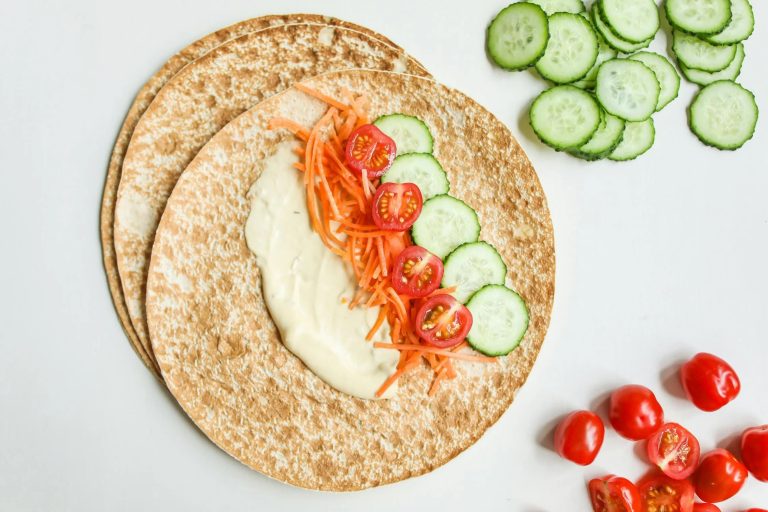
- Lunch: Lentil soup or a chickpea and vegetable wrap with wholegrain flatbread
- Afternoon snack: Greek yoghurt with berries — or avocado on wholegrain crackers
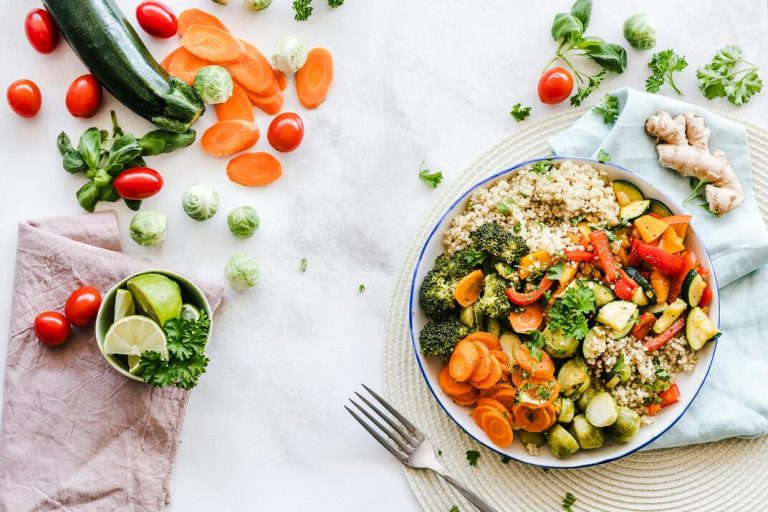
- Dinner: Dal with brown rice and a side of broccoli or sautéed greens — or a vegetable stir-fry with tofu, quinoa, and plenty of leafy greens
Notice what’s not on the list: elaborate recipes, expensive superfoods, or anything that requires a culinary degree to prepare. This is real food, mostly from the fridge and pantry, that takes 20–30 minutes to put together.
One Thing Worth Checking: Vitamin B12
For vegetarian children and teens specifically — this one matters. Vitamin B12 is found almost exclusively in animal products, and deficiency is common in vegetarian kids who aren’t actively supplementing. Low B12 causes fatigue, poor concentration, low mood, and impaired nerve function — an almost perfect storm of things you don’t want during exam season.
If your family is vegetarian and your child isn’t taking a B12 supplement or eating B12-fortified foods regularly (certain plant milks, nutritional yeast, fortified cereals), it’s worth addressing — ideally with a quick GP check if you’re unsure.
It’s one of the most common and most overlooked nutritional gaps in teenage vegetarians, and the fix is genuinely simple.
The Bottom Line
You can’t revise for your child. You can’t sit in the exam hall with them. But you can make sure their brain is properly fuelled every single day leading up to it — and that’s not a small thing.
The families who nail exam nutrition aren’t doing anything extraordinary. They’re just being consistent: real meals, good snacks, enough water, and enough sleep. That’s the whole formula.
Start with one or two changes from this list this week. Build from there. By the time results day comes around, you’ll know you gave them every possible advantage from your end of things.
That’s worth a lot.
📋 Quick Summary for Parents
- The brain uses 20% of the body’s energy — during exams, it needs even more, and diet directly affects performance
- Top brain foods: eggs, walnuts, lentils, chickpeas, Greek yoghurt, blueberries, leafy greens, pumpkin seeds, avocado, and wholegrains
- For vegetarian teens: lentils, chickpeas, eggs, walnuts, and flaxseeds cover most nutritional bases
- Check B12 — deficiency is common in vegetarian teens and directly impacts focus, mood, and energy
- Limit sugar, ultra-processed food, and energy drinks — the crash hits at the worst possible time
- Never skip breakfast on exam morning — a fuelled brain performs better, every time
- Water is the most underrated brain food of all — keep it visible and accessible
📥 Free Meal Planners & Habit Trackers for Families
Looking for a simple way to build better routines at home? Download our free printable meal planners, daily habit trackers, and study planners — no sign-up needed, ready to print.