
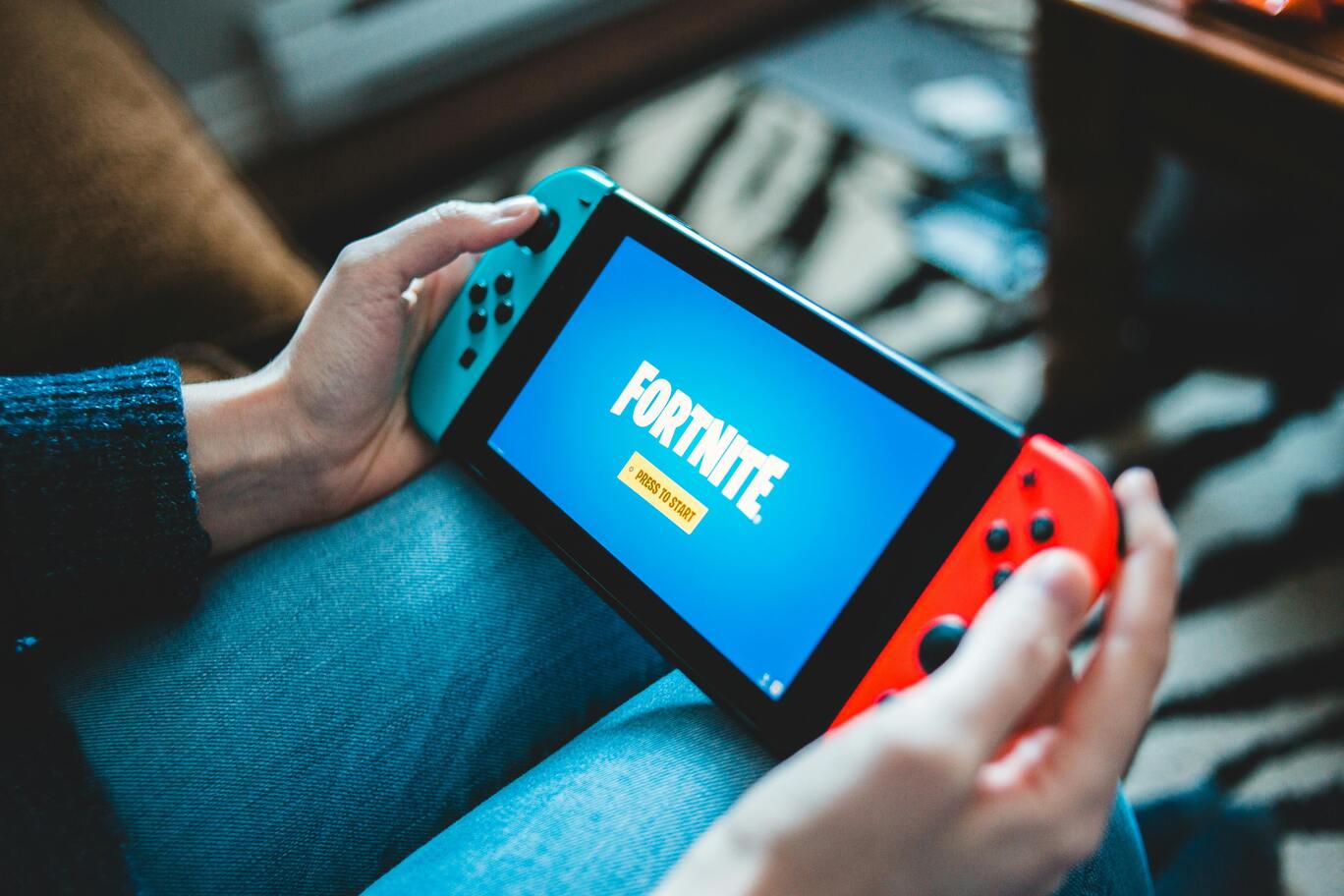
My Son Is Obsessed With Fortnite — Here’s How I Handle It As a Parent”
If you have a teenage son at home, there’s a reasonable chance you’ve heard the words “just one more game” at least once today. In our house, that phrase belongs to my 15-year-old — and nine times out of ten, the game in question is Fortnite.
For the uninitiated: Fortnite is a free-to-play online battle royale game where 100 players drop onto an island and the last one standing wins. It’s fast, it’s loud, it involves a lot of enthusiastic shouting at the screen, and it has been a fixture in our home for longer than I care to admit.
I’ll be honest — my first instinct was to ban it. But after a lot of trial and error, I’ve landed somewhere more practical. Here’s what actually works when your child is genuinely obsessed with gaming.
First — Understanding Why Kids Love It So Much
Before you can manage something, it helps to understand it. I spent a while genuinely trying to understand what my son gets out of Fortnite — and it’s more than just mindless entertainment.
Gaming like Fortnite offers children and teens:
- Social connection — my son plays with his school friends and teammates. For him it’s genuinely a social activity, not a solitary one
- Competence and mastery — there’s a real skill ceiling in Fortnite. Getting better at something feels good, regardless of what that something is
- Creative expression — the building mechanics and creative modes genuinely reward imagination and problem-solving
- Stress relief — after a long day of school, sport, and homework, switching off with a game is how many teens decompress
None of that makes unlimited gaming okay. But it does mean gaming isn’t something to simply fight against — it’s something to channel and manage thoughtfully.
What Doesn’t Work (Learned the Hard Way)
I tried the strict approach first. Hard limits, countdown timers, the lot. What I got in return was a teenager who became increasingly secretive, resentful, and creative about finding workarounds. The power struggle became exhausting for both of us — and it didn’t actually reduce his gaming.
What I’ve found is that with teenagers especially, rules imposed without explanation or buy-in tend to backfire. Research backs this up — screen time limits alone, without addressing the why and the what-instead, rarely solve the problem long term.
What Actually Works in Our House
1. Homework and Sport Come First — Non-Negotiably
My son does football training, swimming, and athletics. He also attends an international school with real academic pressure. Our rule is simple: gaming happens after responsibilities are done. Not during, not instead of — after.
This isn’t about punishment. It’s about priorities. Once he understood that gaming was something he got to do when his other commitments were met — rather than something being taken away from him — the dynamic shifted significantly.
2. We Set Times, Not Just Limits
Rather than saying “one hour of gaming,” we agreed on specific windows — usually after dinner on weekdays if homework is done, and more freely on weekends within reason. Having a predictable window means less negotiation every single day. He knows when it’s happening, so he’s not spending the whole afternoon lobbying for screen time.
3. Devices Stay Out of Bedrooms at Night
This was the non-negotiable that made the biggest difference to his sleep. Teen sleep is already disrupted enough without a gaming session running until midnight. Phones and devices charge in the living room overnight. No exceptions, no arguments — it’s just what we do.
4. I Made the Effort to Understand the Game
This felt slightly ridiculous at first — me sitting down and asking my 15-year-old to explain Fortnite to me. But it genuinely changed things. He lit up explaining the mechanics, the strategy, the maps. I understood why he was excited about certain updates. And crucially, it opened up conversations about gaming that weren’t arguments.
You don’t need to play the game yourself. You just need to be curious enough to ask questions and actually listen to the answers. It goes a long way.
5. Gaming Is Balanced With Physical Activity
My son is active — football, swimming, athletics — so physical balance isn’t something we struggle with too much. But I know families where gaming has quietly replaced all outdoor activity, and that’s where things get genuinely concerning.
The goal isn’t to eliminate gaming — it’s to make sure it sits within a life that also includes movement, fresh air, real-world friendships, and rest. When those boxes are ticked, a reasonable amount of gaming genuinely isn’t something to lose sleep over.
When Should Parents Be More Concerned?
Not all gaming behaviour is equal. Here are the signs that suggest gaming has moved from hobby to problem:
- Your child becomes extremely aggressive or distressed when asked to stop
- Gaming is consistently happening at the expense of sleep, homework, or meals
- Real-world friendships are being abandoned in favour of online ones
- Your child is lying about how much they’re playing
- Physical activity has dropped significantly
- Mood is noticeably worse on days they haven’t played
If several of these ring true, it’s worth having a more serious conversation — and potentially speaking to your child’s school counsellor or a family therapist. The addictive design of digital platforms is real, and it affects gaming just as much as social media.
The Bigger Picture
My son’s Fortnite phase has taught me something useful as a parent: the goal isn’t to raise a child who never wants to game. It’s to raise a child who can manage their own time, balance competing priorities, and make good choices — even when the temptation to do otherwise is sitting right there on the screen.
That’s a long-term project. Some weeks are better than others. But we’re having the conversations, holding the boundaries, and staying curious about each other’s worlds. That feels like enough for now.
📋 Quick Summary for Parents
- Understanding why kids love gaming makes it much easier to manage than simply fighting against it
- Strict limits without buy-in tend to backfire — especially with teenagers
- Agreeing on specific gaming windows works better than vague daily limits
- Devices out of bedrooms overnight is the single highest-impact change for sleep
- Showing genuine curiosity about what your child loves builds trust and opens conversations
- Gaming becomes a problem when it consistently replaces sleep, sport, homework, or real-world connection
📥 Free Study Planners & Habit Trackers
Helping your child balance gaming, sport, school, and downtime is much easier with a good routine. Our free printable planners and habit trackers are designed for school-age kids and teens — download instantly, no sign-up needed.