How Much Exercise Do Kids and Teens Need Each Day?
How much exercise do kids need? Children and teenagers need an average of 60 minutes of physical activity a day. That is the global recommendation from the World Health Organization for children and adolescents, and its guidelines cover children from age 5 upwards. The word “average” matters: a quiet school day can be balanced by a busy weekend at the park or the pool.
Many children fall short. WHO estimates that four out of five adolescents worldwide do not get enough activity. If your child spends most of the day sitting at school, in the car and on screens, you are far from alone.
How energetic does it need to be?
The 60 minutes should be moderate to vigorous. A simple test from the NHS guidelines for children and young people works well: moderate activity means they can still talk, but not sing.
Gentle pottering is better than sitting, but for the hour, look for activities that get them warm and breathing faster: running games, a fast game of badminton or a swim.
What counts?
Almost anything that gets them moving, and variety is good. Over a week, aim for a mix of:
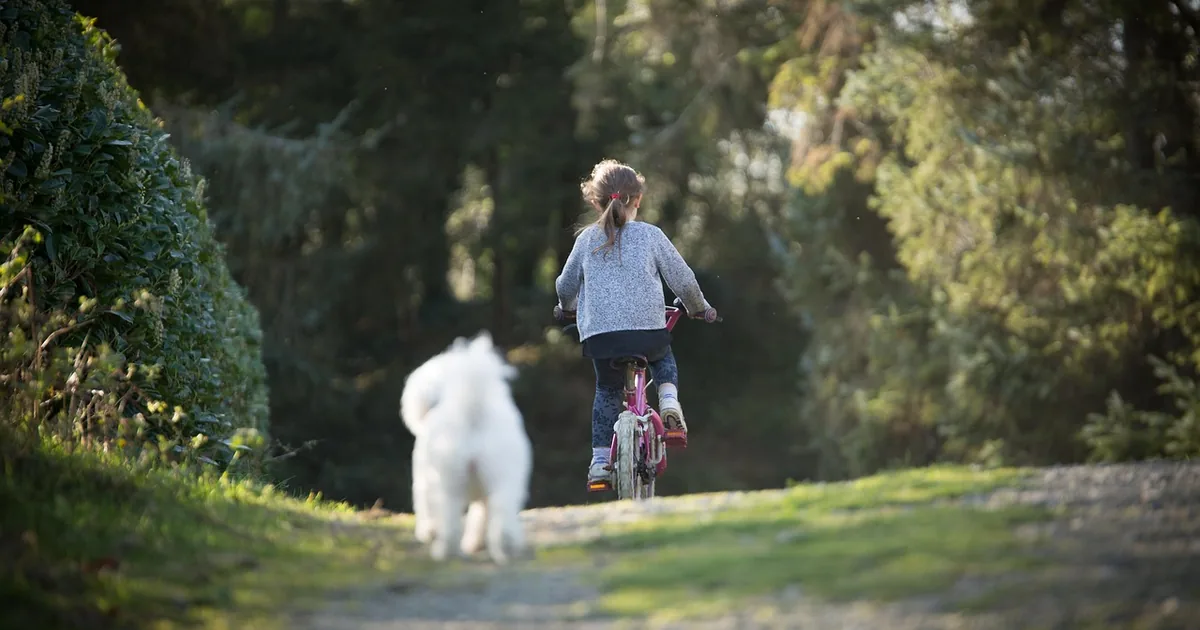
- Heart-pumping activity: running games, cycling, swimming, dancing, skipping, football, badminton or walking briskly to school.
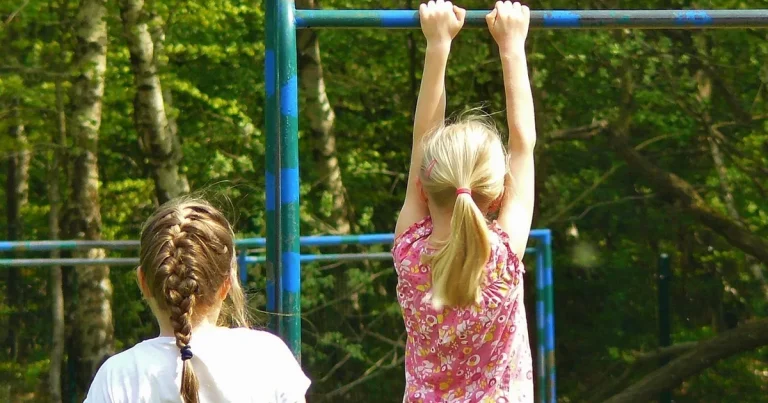
- Muscle and bone builders: climbing, jumping, gymnastics, martial arts, and for older children, push-ups, sit-ups or supervised strength training.
Younger children mostly get this through play. Teenagers often do better with something they choose themselves, whether that’s a team sport, a dance class, a gym session with friends or cycling.
Fitting it into a busy day
Sixty minutes does not have to happen all at once. Ten minutes here and twenty there all add up:
- A walk or cycle to school, or getting off the bus one stop early.
- Active play at recess and after school before homework starts.
- A family walk after dinner, when it is cooler.
- A short dance or skipping break between homework subjects.
- Weekend swimming, hiking, badminton or a game at the park.
In hot weather, plan outdoor play for the early morning or late afternoon, find shade, and bring plenty of water. On rainy days, indoor options like dancing, skipping in a covered area, an obstacle course or a fitness video keep things going. Our free 30-day kids fitness challenge tracker gives a different activity for each day if you need ideas.
Less sitting helps too
Long stretches of sitting are worth breaking up, even for active children. Encourage a quick stretch, a walk around the house or a few jumps during long homework or gaming sessions. Setting a family rule that screens go off for active play at certain times of day can help as well.
Our free movement break planner has quick ideas for children aged 6–12 to use between homework and screen time, each with an easier option.
Start slowly with a new sport or exercise and build up bit by bit, and use the right safety gear for cycling, skating and similar activities. If your child has a health condition, a disability or an injury, or seems unusually breathless or tired when active, check with their doctor first. This article is general information and not a substitute for individual medical advice.
Photo: seanwareing via Pixabay