Fussy Eater? Practical Ways to Help Your Child Try New Foods
Rice, plain noodles, chicken nuggets and nothing green. If your child’s menu has shrunk to a handful of favourite foods and you have a fussy eater on your hands, mealtimes can start to feel like a daily negotiation. Fussy eating is very common in toddlers and young children, and tastes often change with time. A calm, patient approach usually works far better than pressure.
Is it normal?
Yes. Refusing new foods, or even refusing to taste them, is a normal stage for toddlers. Some children also get stuck on the same meal for weeks, which KidsHealth notes is not uncommon. It helps to look at what your child eats over a whole week rather than at one plate. If they are active, growing and seem well in themselves, they are usually getting enough. Guidance from the NHS on fussy eaters makes the same point, and it applies to young children anywhere.
Tastes really do change. A food that is pushed away today may be eaten happily a month later, which is why it is worth offering it again rather than giving up.
Ways to help your child try new foods
- Offer, offer again. It can take many tries before a child accepts a new food. Put a small amount on the plate next to something they already like, with no pressure to eat it.
- Eat together. Children learn by copying. Sitting down as a family, even for one meal a day, shows them that vegetables, fish or fruit are just normal food.
- Keep portions small. A mountain of something unfamiliar is daunting. Two pieces of broccoli feel much more manageable, and they can always ask for more.
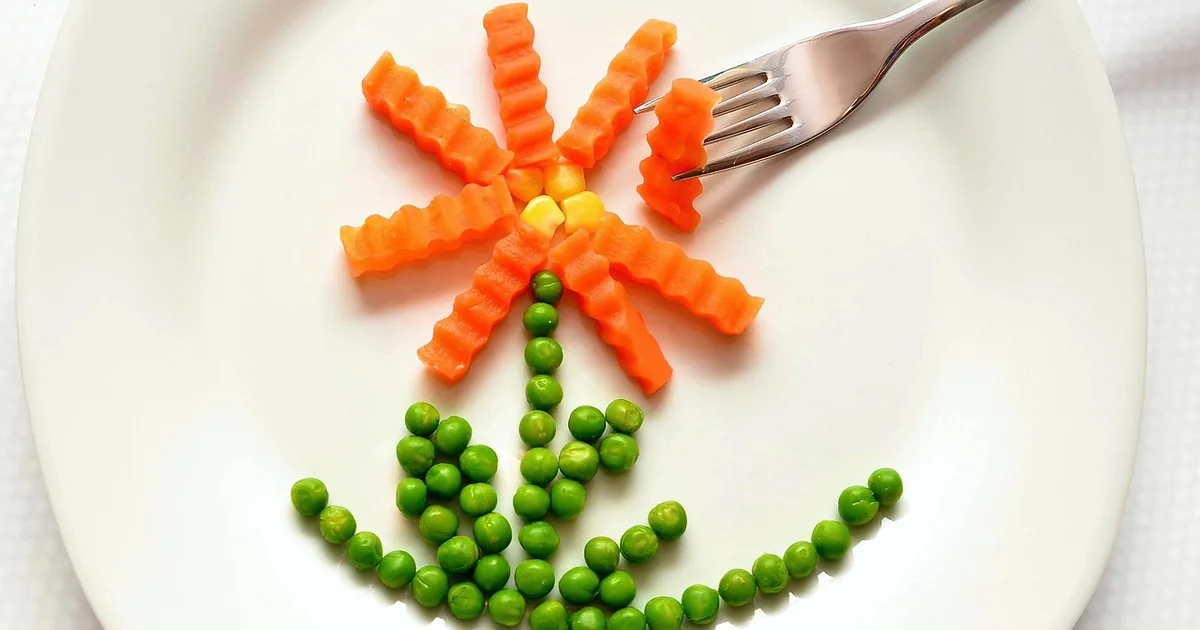
- Change how it’s served. A child who refuses cooked carrots may enjoy them raw and grated. Try vegetables in a soup, stir-fry, omelette or fried rice, cut into fun shapes, or with a dip they like.
- Let them help. Choosing fruit at the market, washing vegetables or stirring the pot makes children more curious about tasting the result.
- Don’t cook separate meals. Serve the family meal, and make sure there is one thing on the table you know your child will eat, such as rice, bread or a familiar side.
Habits that tend to backfire
Forcing, bribing and long arguments at the table usually make fussy eating worse. If your child won’t eat something, take it away calmly without comment and try again another day.
Using dessert or sweets as a reward is very tempting. But “eat your vegetables and you can have ice cream” teaches children that vegetables are the hard part and the treat is the prize. Rewards that are not food, like a trip to the playground or a favourite game, work better. If sweet snacks are becoming a habit, our guide on how much sugar children should have has easy swaps.
Try not to let children fill up on snacks or milky drinks just before a meal, or leave dinner until they are too tired to eat. A hungry child at the table is more likely to try something new.
For many families, patience and repeated offering are enough. If your child is losing weight, not growing as expected, eats only a very small number of foods, gags or struggles to swallow, or mealtimes are causing real distress, talk to your child’s doctor. This article is general information and not a substitute for individual medical advice.
Photo: congerdesign via Pixabay