Teen Sleep Crisis: Why Your Kids Are So Tired
You probably don’t need a study to tell you your teenager is exhausted. The dragging feet in the morning, the glazed look at breakfast, the falling asleep on the sofa at 7pm — and then somehow staying up until midnight anyway.
But new research confirms what many parents are quietly worried about: this isn’t just a bad habit. It’s a crisis.
A major study published in Pediatrics in May 2026, drawing on data from over 400,000 students, found that adolescent sleep has been declining steadily since 1991 — and that only 22% of older teens now report getting at least seven hours of sleep per night. A separate analysis published in JAMA found that more than three out of four adolescents are sleeping less than the recommended 8–10 hours on school nights.
That’s not a blip. That’s a generation running on empty.
Why Is This Happening Now?
The easy answer is phones. And yes, screens play a role — blue light suppresses melatonin, keeping the brain alert when it should be winding down. But researchers are clear that screens are just one piece of a bigger picture.
Here’s what’s actually working against your teen’s sleep:
- Biology, not just behaviour. During puberty, the brain’s internal clock shifts — melatonin releases later in the evening, meaning teens genuinely cannot fall asleep early, even if they wanted to. Asking a 15-year-old to be asleep by 9pm is like asking you to fall asleep at 6pm.
- Early school start times. Most secondary schools start between 7 and 8am — directly out of step with how the teenage brain is wired. Researchers consistently flag later school start times as one of the most effective population-level solutions.
- Overpacked schedules. Sports training, tuition, homework, activities — there’s simply not enough hours in the day, and sleep is what gets quietly sacrificed first.
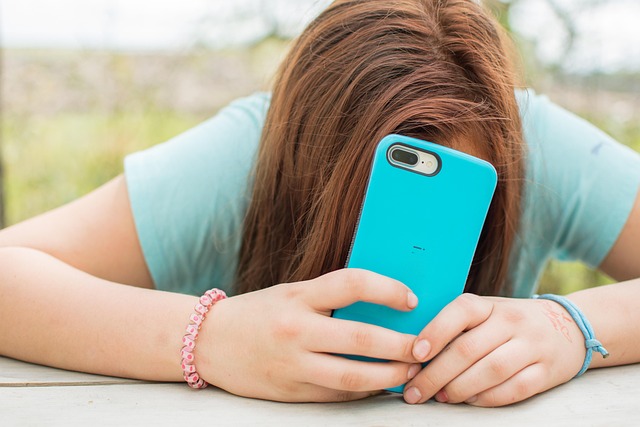
- Phones in the bedroom. Even without active use, the presence of a phone — notifications, the pull to check — fragments sleep quality throughout the night.
Why It Matters More Than You Think
Sleep deprivation in teenagers isn’t just about being tired. The consequences compound — and they show up in ways parents often don’t connect back to sleep.
Research links chronic sleep loss in teens to:
- Higher rates of anxiety and depression
- Lower academic performance and poor concentration
- Increased risk-taking behaviour
- Greater risk of injury — in sport and everyday life
- Physical health issues including headaches, stomach problems, and weakened immunity
- Reduced connectivity between the brain regions responsible for decision-making and emotional regulation
That last one matters. A University of Georgia study found that sleep-deprived adolescents showed less connectivity in the parts of the brain linked to impulse control, self-reflection, and decision-making — the exact areas that are still actively developing throughout the teenage years.
The mood swings, the poor choices, the emotional volatility that parents often chalk up to “just being a teenager”? Some of that is genuinely sleep deprivation in disguise.
“This idea that sleep is disposable and adolescence is about being tired is just a really bad way to do things. We are putting a generation of kids at risk.”
— Teen sleep researcher, EdWeek, May 2026
What Parents Can Actually Do
The structural stuff — school start times, exam pressure, overloaded timetables — isn’t something you can fix from home. But there’s still a lot within your control.
1. Make the Bedroom Phone-Free (Non-Negotiable)
This is the single highest-impact change most families can make. Devices out of the bedroom entirely at night — charged in a common area. Not just on silent. Not just face-down. Out.
If your teen uses their phone as an alarm, a cheap alarm clock solves that instantly. The conversation will be unpopular. Do it anyway.
2. Protect the Hour Before Bed
The wind-down hour matters. Lower-stimulation activities — reading, light stretching, a shower, even just quiet conversation — help the brain transition toward sleep. Homework, gaming, and group chats do the opposite.
This isn’t about banning everything. It’s about building a consistent signal that the day is ending.
3. Keep Wake Times Consistent (Even on Weekends)
Sleeping in until noon on Saturday feels like a gift, but it shifts the body clock forward and makes Monday morning even harder. A maximum lie-in of 60–90 minutes later than the school-week wake time helps maintain sleep rhythm without making weekends miserable.
4. Look at the Schedule Honestly
If your child is consistently getting under 7 hours on school nights, something has to give. That might be a hard conversation — but training three nights a week, two tuition sessions, and a full homework load on top of school is not sustainable. Sleep is not the optional part of that equation.
For sports-active kids especially, sleep is when the body repairs muscle, consolidates skill, and rebuilds energy. Sacrificing sleep for more training is counterproductive — it actually reduces athletic performance.
5. Watch for Warning Signs
Occasional tiredness is normal. These warrant a conversation with your paediatrician:
- Persistent difficulty falling or staying asleep
- Loud, irregular snoring (can indicate sleep apnoea)
- Excessive daytime sleepiness that interferes with daily life
- Significant mood changes or emotional instability linked to sleep patterns
6. Model It Yourself
If your phone is on your bedside table and you’re scrolling until midnight, the message your teen receives is that adults don’t actually prioritise sleep either. Your habits carry weight — more than the rules you set.
How Much Sleep Do Kids Actually Need?
For reference, the National Sleep Foundation recommends:
- 6–12 year olds: 9–12 hours per night
- 13–18 year olds: 8–10 hours per night
Most teenagers are getting significantly less than the lower end of that range — regularly, on school nights, for years.
The Bottom Line for Parents
Sleep isn’t the soft option. It isn’t what’s left over after everything else gets done. It’s the foundation that everything else — mood, focus, mental health, physical performance, immune function — is built on.
The families doing best here aren’t necessarily the ones with the strictest rules. They’re the ones who took the science seriously, had the uncomfortable conversations, and made sleep a genuine family priority — not an afterthought.
Your tired teenager isn’t just lazy. Their brain is actively developing, their body is under enormous demand, and the world is designed to keep them awake. They need you to help them protect their sleep.
That’s one of the most useful things a parent can do right now.
📋 Quick Summary for Parents
- New research shows over 75% of teens are chronically sleep-deprived — and it’s getting worse
- Biology plays a real role: the teenage brain shifts to a later sleep cycle during puberty
- Sleep loss in teens is linked to anxiety, depression, poor academic performance, and reduced athletic recovery
- Phones out of the bedroom is the single highest-impact change most families can make
- Consistent sleep and wake times — including on weekends — protect the sleep cycle
- If the schedule is too full to allow 8 hours, something needs to change — and sleep is not what gives
📥 Free Sleep & Routine Trackers for Families
Building a healthier evening routine starts with knowing what’s actually happening. Download our free printable sleep trackers, daily habit logs, and routine planners — no sign-up needed.