How to Protect Children From Dengue: A Practical Guide for Families
If you live in a tropical country, you have probably heard friends or neighbours talk about someone in the family having dengue. The illness is spread by mosquitoes, and children can catch it at home, at school or at the playground. The good news is that a few everyday habits go a long way to protect children from dengue.
According to the World Health Organization, dengue is now endemic in more than 100 countries, including Malaysia and many of its neighbours. It is found mostly in towns and cities, and WHO lists high rainfall and humidity among the factors that increase the risk of it spreading. That makes rainy months a good time to check your family’s routine.
Where dengue comes from
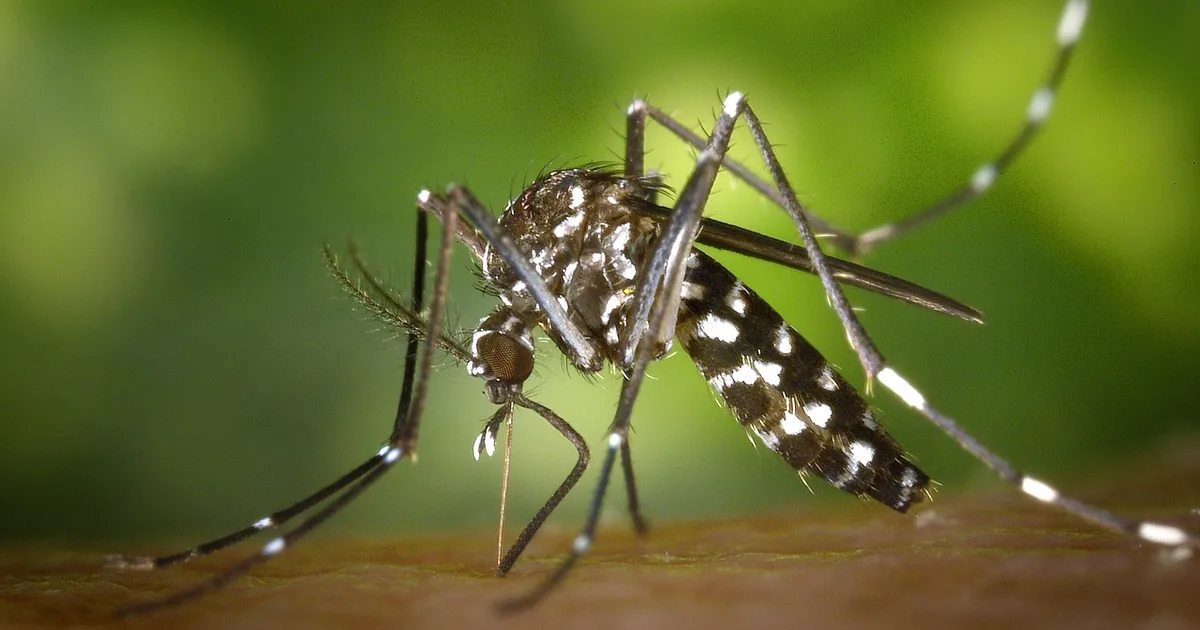
Dengue is a virus passed to people through the bite of an infected mosquito, mainly a type called the Aedes mosquito. Unlike many mosquitoes, the ones that spread dengue are active during the day. So bedtime nets alone are not enough. Protection matters most during the hours children are awake, playing and at school.
Protecting children from bites
- Cover up. Light, loose clothing that covers arms and legs is one of the simplest protections, especially for outdoor play in the early morning and late afternoon.
- Use a repellent. WHO lists repellents containing DEET or one of two other approved active ingredients. Always read the label for the minimum age and how often to reapply, and ask a pharmacist or doctor which product suits babies and young children.
- Nets for day naps. If babies or toddlers sleep during the day, a mosquito net over the cot or bed helps, ideally one treated with repellent.
- Screens and coils. Window and door screens keep mosquitoes out of the house. Mosquito coils and plug-in mosquito devices can help too, used as the instructions say.
Stop mosquitoes breeding at home
Mosquitoes lay their eggs in standing water, and they only need a small amount. A quick weekly check around the house and garden makes a real difference, and older children can join in as a family job:
- Empty and scrub anything that collects rainwater, such as plant pot saucers, buckets, toys, old wheels and discarded containers.
- Cover, empty and clean water storage containers every week.
- Clear blocked roof gutters and drains so water does not sit in them.
- Throw away rubbish that could hold water, like bottle caps and food tubs.
Symptoms to know
Many people with dengue have mild symptoms or none at all, and most recover in one to two weeks. When symptoms do appear, they can include a high fever of around 40°C, a bad headache, pain behind the eyes, muscle and joint pain, nausea, vomiting, swollen glands and a rash.
Watch closely after the fever goes. The warning signs of severe dengue often appear after the fever has dropped. Get medical help straight away if your child has severe tummy pain, keeps vomiting or breathes fast. The same applies to bleeding gums or nose, blood in vomit or stool, or a child who is very thirsty, pale and cold, restless or very weak. Someone who catches dengue for a second time is at greater risk of severe dengue.
If you think your child has dengue, see a doctor, who can arrange a test. For fever and pain, WHO advises paracetamol and avoiding ibuprofen and aspirin, because they can increase the risk of bleeding. Rest and plenty of fluids are important too. Our free daily water intake tracker can help you keep track of drinks during recovery.
What about the vaccine?
One dengue vaccine is licensed in some countries. WHO recommends it only for children aged 6 to 16 in places where dengue spreads a lot, and availability and advice differ from country to country. Ask your child’s doctor whether it is suitable for your family.
Dengue advice and local services vary by country, so follow your own health authority’s guidance as well. This article is general information and not a substitute for professional medical advice.
Photo: WikiImages via Pixabay