High-Fibre Foods for Kids: Easy Ways to Add More Fibre
Fibre does not get as much attention as protein or vitamins, but it quietly does a lot of work. It keeps things moving through the gut, helps children feel full after a meal and is found in many of the foods parents already hope children will eat more of. If your child is often constipated, or their plate is mostly white rice, bread and noodles, a few small swaps with high-fibre foods for kids can make a real difference.
What fibre does
Fibre is the part of plant foods that the body does not break down. It comes from fruit, vegetables, whole grains, beans and lentils, nuts and seeds. According to KidsHealth, a diet high in fibre helps prevent or relieve constipation and helps children feel fuller. Over a lifetime, it is also linked with a lower risk of heart disease and diabetes.
There are two kinds. Soluble fibre, found in oats, beans and many fruits, dissolves in water. Insoluble fibre, found in whole grains and the skins of fruit and vegetables, helps food move through the intestines. Children need both, and a varied diet provides both without any special effort.
How much fibre do children need?
Babies who are fed breast milk or formula do not need extra fibre. For older children, KidsHealth gives a simple rule of thumb from the United States:
- Toddlers: aim for about 19g of fibre a day.
- Older children: take their age and add 5 to 10, so a 5-year-old needs around 10 to 15g and a 10-year-old around 15 to 20g a day.
- Teenagers: about 25g a day for girls and 31g for boys.
Recommended amounts differ a little between countries, so treat these as a rough guide rather than a target to count. In practice, if your child eats fruit or vegetables at every meal and some whole grains most days, they are likely to be on the right track.
The best high-fibre foods
- Whole grains: brown or wild rice, oats, wholemeal bread and wholegrain pasta or noodles.
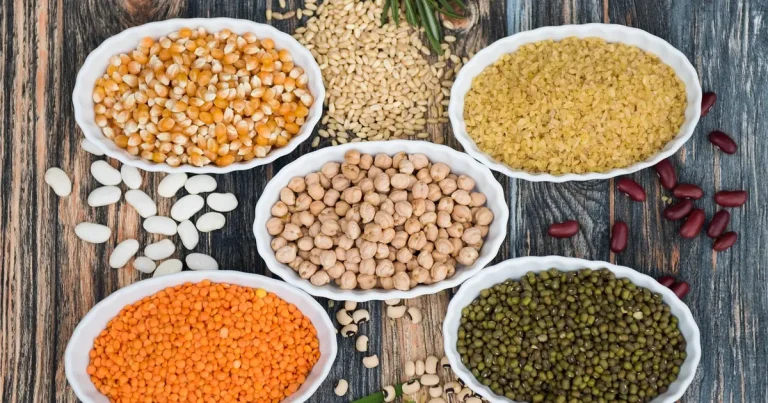
- Beans and lentils: kidney beans, chickpeas, lentils, split peas and baked beans.
- Fruit: apples and pears with the skin on, berries, oranges, bananas, guava and papaya.
- Vegetables: broccoli, carrots, sweet potato, corn, peas and leafy greens.
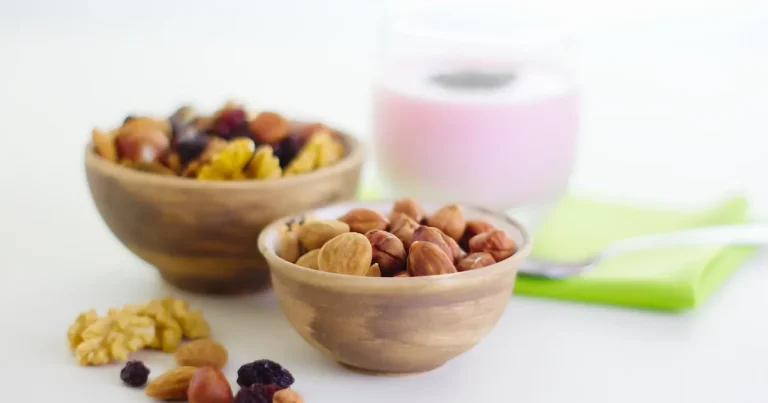
- Nuts and seeds: sesame and sunflower seeds, ground flaxseed and nuts for children old enough to eat them safely.
When you buy packaged foods, check the nutrition label. KidsHealth suggests choosing foods with 3g of fibre or more per serving. It is best for children to get fibre from food rather than from supplements, because food also brings other nutrients. Only give a fibre supplement if your doctor recommends one.
Easy swaps for every meal
You do not need to change everything at once. Pick one or two of these and build from there:
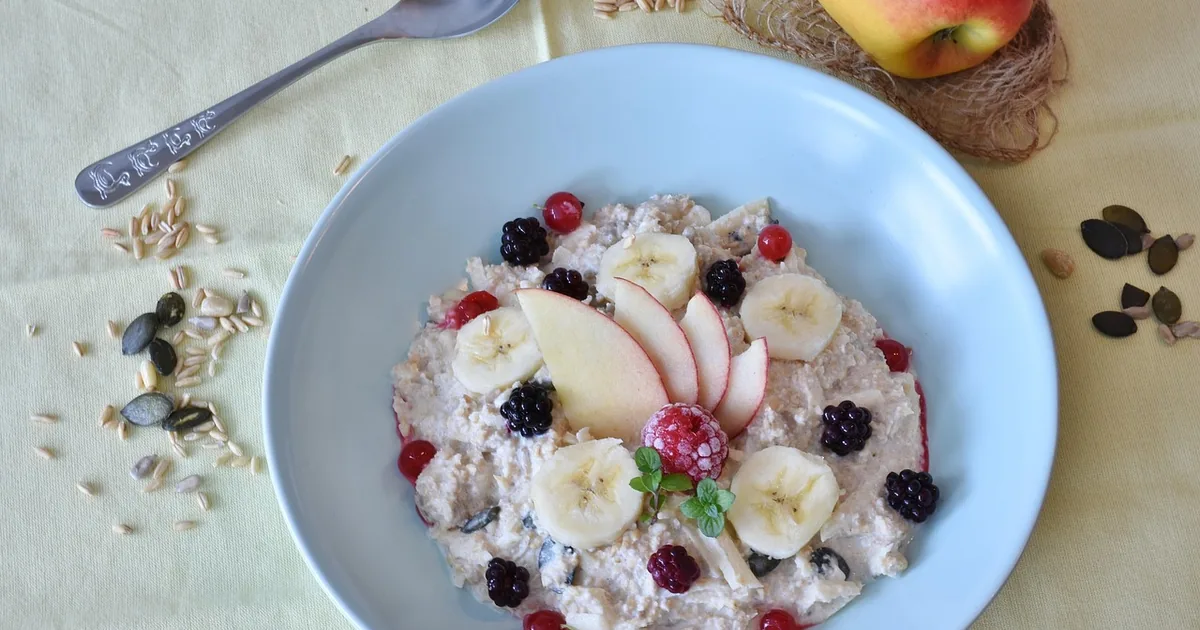
- Breakfast: serve whole fruit instead of juice, choose oats or a wholegrain cereal, and stir ground flaxseed into yoghurt or porridge.
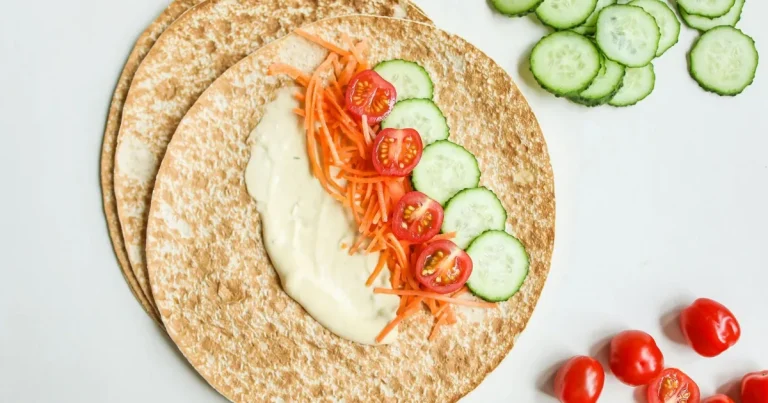
- Lunch: use wholemeal bread for sandwiches, add tomato, lettuce or avocado, and pack a piece of fresh fruit.
- Dinner: mix brown rice into white rice to start, add beans or lentils to curries, soups and fried rice, and leave the skin on potatoes and cucumbers.
- Snacks: offer plain popcorn, wholegrain crackers, fruit slices or vegetable sticks with hummus.
Our guide to healthy lunchbox ideas for kids has more ways to fit fruit, vegetables and whole grains into a school lunch.
Go slowly and add water. Adding a lot of fibre too quickly can cause bloating, wind and tummy cramps. Increase it gradually over a few weeks, and make sure your child drinks plenty of water, which helps fibre move through the gut. Our free daily water intake tracker can help.
Talk to your child’s doctor if your child has ongoing constipation, diarrhoea or tummy pain, or if you have concerns about their diet. This article is general information and not a substitute for individual medical advice.