Sun Protection for Kids: Simple Ways to Keep Skin and Eyes Safe
Outdoor play is one of the best things children can do for their health. But a long afternoon at the pool, a football match in the midday heat or a day at the beach can leave young skin red and sore. Good sun protection for kids lets them enjoy all of it safely.
According to the World Health Organization, children and teenagers are particularly vulnerable to the sun’s ultraviolet (UV) rays because of the structure of their skin and eyes. Sunburn in childhood raises the risk of skin cancer later in life, and too much sun over the years can also damage the eyes.
Understanding the UV index
You cannot see or feel UV rays, so a cool or cloudy day can still cause sunburn. That is why the UV index is useful. It is a simple number, often shown in weather apps and forecasts, that tells you how strong the sun’s UV is. WHO recommends sun protection whenever the UV index is 3 or above.
A few things push UV levels up:
- Being close to the equator. In countries like Malaysia, the UV index is high for much of the year.
- The middle of the day, when the sun is highest in the sky.
- Water and sand, which reflect UV back onto the skin.
- Thin cloud. UV is highest under clear skies, but it can still be high when it is cloudy.
Children with darker skin burn less easily, but they still need protection, because darker-skinned people can also develop skin cancer.
Everyday ways to protect your child
WHO’s advice comes down to a handful of habits. Shade and clothing come first, with sunscreen for the skin that clothes cannot cover.
- Plan around the midday sun. Where you can, schedule outdoor play, sport and errands for the morning or late afternoon.
- Find shade. Trees, umbrellas, canopies and covered playgrounds all help. Babies are best kept in the shade.
- Cover up. Loose, lightweight clothing with sleeves protects skin and is cooler than it sounds. Swim tops with sleeves are great for the pool.
- Wear a hat. A broad-brimmed or legionnaire-style hat protects the face, ears, eyes and neck far better than a cap.
- Add sunglasses. Choose wraparound sunglasses labelled as giving 99 to 100% UV-A and UV-B protection. Children’s sunglasses need to be properly protective, not just toys.
- Use sunscreen on exposed skin. Choose a broad-spectrum sunscreen and apply it generously on the face, ears, neck, hands and legs. Reapply as the label says, especially after swimming or sweating.
Sunscreen is a back-up, not a shield. WHO advises that shade and clothing protect better than sunscreen, and that sunscreen should not be used to stay out in the sun for longer. For babies and children with sensitive skin, check the label for age guidance and ask a pharmacist or doctor which product to use.
At school, the pool and the beach
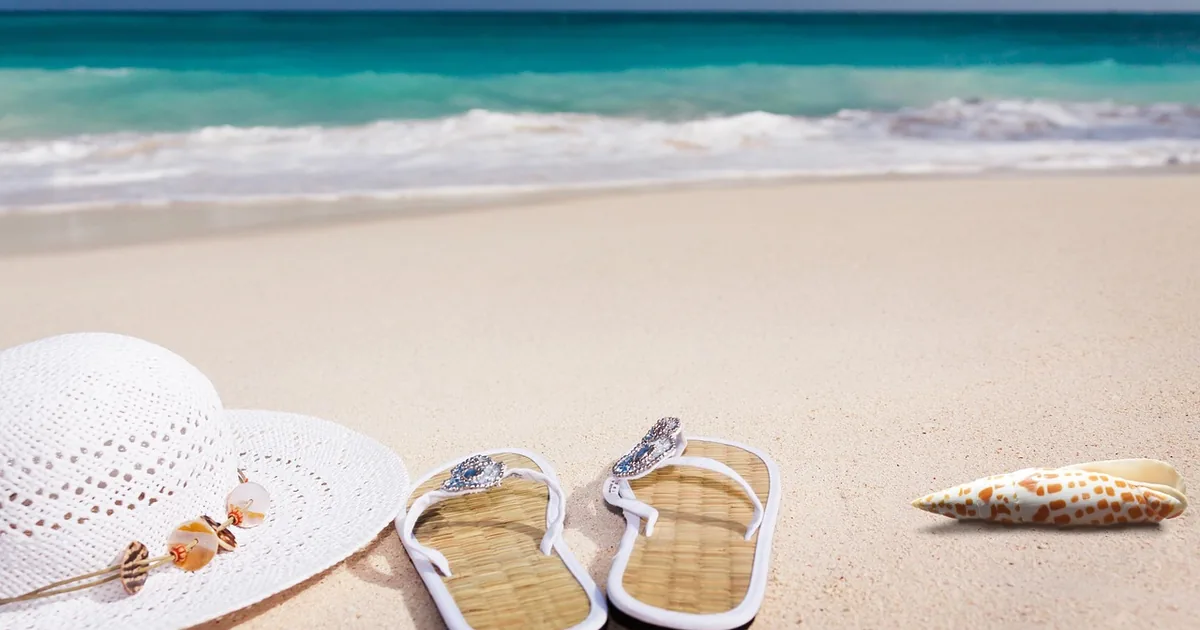
Pack a hat and a water bottle in your child’s school bag, and check whether the school has a sun hat policy. For swimming and beach days, sleeved swimwear, shade breaks and regular sunscreen top-ups make a big difference. Water reflects UV, so children in the pool can burn quickly. Our guide to water safety for kids covers the other side of pool and beach days.
Small amounts of sun are good for health, because sunlight helps the body make vitamin D. The aim is not to keep children indoors, but to make covering up a normal part of going out. Our ideas to keep kids active during the school holidays work just as well with a hat on.
If your child gets a bad sunburn with blistering, fever, headache or feels unwell, contact a doctor. This article is general information and not a substitute for professional medical advice.