
Food Allergies in Children: Signs, Common Triggers and Keeping Kids Safe
A rash after scrambled eggs. Swollen lips after a bite of a friend’s peanut biscuit. For many parents, the first sign of a food allergy comes as a frightening surprise. Knowing the signs, the common triggers and what to do in an emergency can make a huge difference.
This guide to food allergies in children is based on advice from KidsHealth. It is general information. Your child’s doctor will give advice for your own child.
What is a food allergy?
A food allergy happens when the immune system, which normally fights infections, mistakes a food for an invader and reacts to it. Reactions can be mild or severe. Importantly, a child with a food allergy is always at risk of the next reaction being serious, even if previous reactions were mild.
The most common food allergens
A child can be allergic to any food, but according to KidsHealth, nine foods cause about 90% of reactions in children:
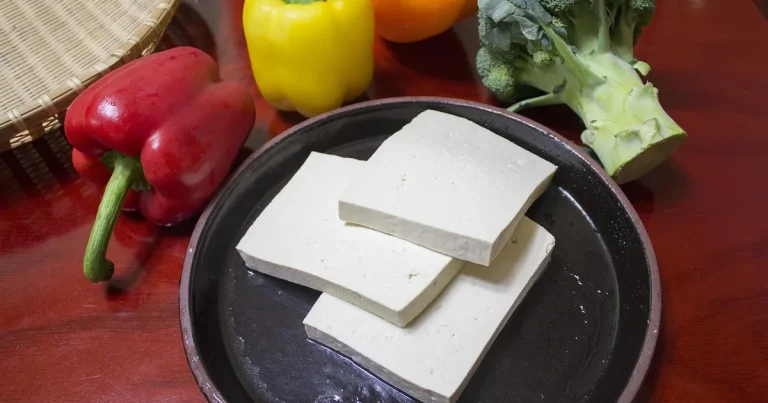
- Milk, eggs and soy.
- Peanuts and tree nuts, such as cashews and walnuts.
- Wheat and sesame.
- Fish and shellfish, such as prawns.
Signs of an allergic reaction
Symptoms often appear soon after eating the food. They can include hives or red spots on the skin, swelling, itchy or watery eyes, coughing, wheezing or trouble breathing, a hoarse voice or tight throat, tummy pain, vomiting and diarrhoea. A drop in blood pressure can cause dizziness or fainting.
The most severe reaction is called anaphylaxis. It may start like a milder reaction but can get worse quickly, affecting more than one part of the body. It can be life-threatening without emergency treatment.
In an emergency. If your child has been prescribed emergency adrenaline (also called epinephrine), use it straight away for serious symptoms such as trouble breathing or throat tightness. Use it too if symptoms affect two different parts of the body, like hives with vomiting. Then call your local emergency number. Your child still needs medical care afterwards, because a second wave of serious symptoms can happen.
Allergy or intolerance?
Food intolerance is often confused with allergy, but it is different. An intolerance does not involve the immune system. It happens when the body has trouble digesting something, such as lactose in milk. It can cause wind, indigestion or loose stools and feel unpleasant, but it is rarely dangerous.
Getting a diagnosis
If you think your child has a food allergy, see their doctor. They will ask about the symptoms, how soon they started after eating, and whether anyone in the family has allergies, eczema or asthma. Your child may be referred to an allergy specialist for skin-prick or blood tests. Sometimes a food challenge is needed, where the child eats small, increasing amounts of the food. This must only ever be done in a clinic or hospital with emergency care at hand. Never test a suspected allergy at home.
Keeping your child safe every day
- Carry emergency medicine. If adrenaline is prescribed, KidsHealth advises keeping two doses with your child at all times, and making sure carers know where it is and how to use it.
- Ask for an allergy action plan. Your doctor can give you a written plan for recognising and treating a reaction. Share it with grandparents, the school, childcare and coaches.
- Read every label, every time. Recipes and factories change, so check labels even on foods your child has eaten safely before.
- Watch for cross-contamination. Foods can pick up traces of an allergen from shared equipment, utensils or surfaces. Warnings such as “may contain” are a signal to avoid that product.
- Plan ahead for eating out and parties. Tell the host or restaurant about the allergy and ask how food is prepared.
Packing your own school food gives you more control. Our guide to healthy lunchbox ideas for kids has ideas you can adapt around your child’s allergy, and check your school’s policy on foods such as nuts.
Allergy testing, emergency medicines and school rules differ between countries, so follow the advice of your child’s doctor and local health services. This article is general information and not a substitute for professional medical advice.