Calcium-Rich Foods for Kids: Building Strong Bones, With or Without Dairy
Childhood and the teenage years are when the body builds most of its bone strength. As KidsHealth puts it, we only get one chance to build strong bones, and that is when we are kids and teens. Calcium is the main building block, so making sure children get enough now protects them for life.
The good news is that milk is not the only answer. Plenty of calcium-rich foods for kids suit families who eat little dairy, and many of them are already everyday ingredients in home cooking across Malaysia.
Why calcium matters
Calcium is a mineral that builds strong bones and teeth. It also helps nerves and muscles work and plays a part in keeping the heart healthy. Young children need both calcium and vitamin D to prevent rickets, a condition that softens the bones and can cause bowed legs and poor growth.
How much do children need?
KidsHealth gives these daily amounts, which are based on United States guidance:
- Babies get all the calcium they need from breast milk or formula.
- Toddlers aged 1 to 3: about 700mg a day.
- From 4 to 8 years: about 1,000mg a day.
- Older children and teens aged 9 to 18: about 1,300mg a day.
Recommended amounts differ slightly between countries, so use these as a rough guide. The key point is that needs rise sharply around the start of the teenage years, just when many children drink less milk. Preteens and teenagers are the group most likely to need extra calcium-rich foods.
Do not give cow’s milk, goat’s milk or homemade formula as a main drink to babies under one year old.
The best sources of calcium
Dairy foods such as milk, yoghurt and hard cheese are among the richest natural sources. Low-fat and full-fat milk contain about the same amount of calcium, so the choice of milk depends on your child’s age and your doctor’s advice.
If your child does not like milk or cannot have dairy, these foods help:
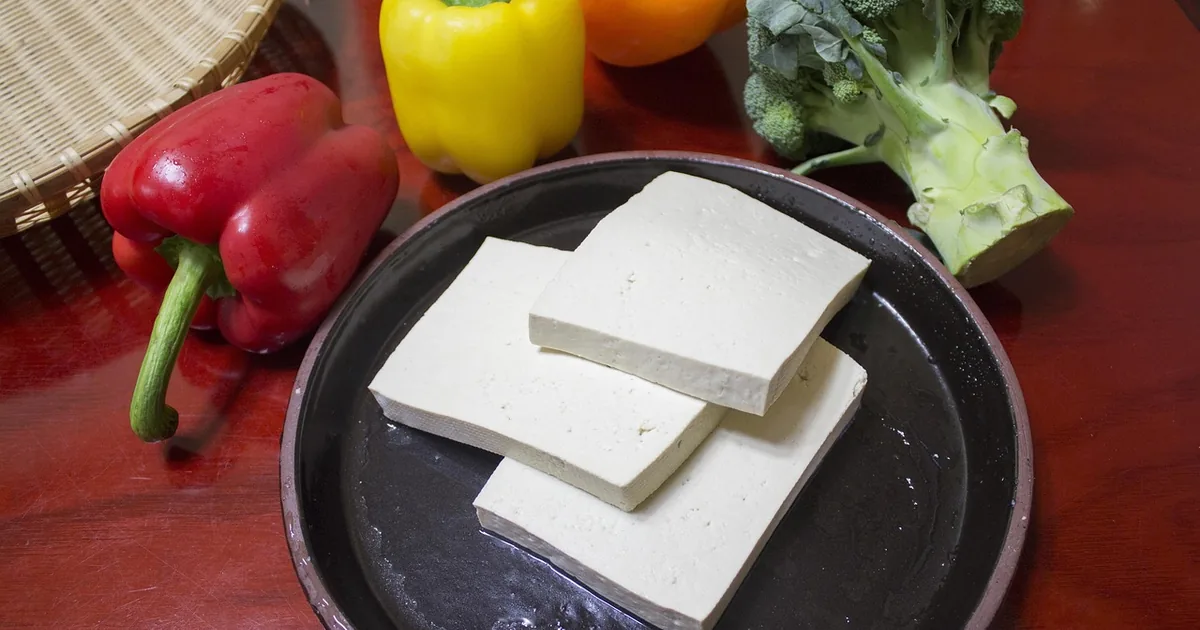
- Calcium-set tofu, which is a particularly good source. Check the label for calcium.
- Soy drinks with added calcium. Plain soy milk often has little, so choose one that says it is fortified.
- Leafy green vegetables such as broccoli, kale, cabbage and other dark leafy greens.
- Beans and chickpeas, including white beans and red beans.
- Almonds and sesame seeds, for children old enough to eat them safely.
- Fortified foods such as some breakfast cereals and breads. Check the label.
Easy ways to add more calcium
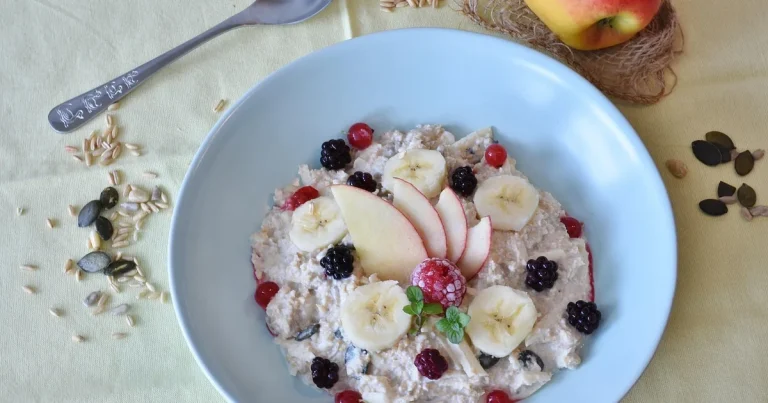
- Layer plain yoghurt with fruit and wholegrain cereal for breakfast or a snack.
- Blend a smoothie with fruit and milk or fortified soy drink.
- Add tofu to stir-fries, soups and noodle dishes.
- Serve steamed leafy greens or broccoli with rice at dinner.
- Sprinkle sesame seeds over vegetables or rice.
- Offer hummus with vegetable sticks for an after-school snack.
Flavoured milk drinks from the shop can contain a lot of sugar, so plain milk, perhaps with a little syrup added at home, is a better everyday choice.
Do not forget vitamin D. Vitamin D helps the body absorb calcium, so the two work as a team. Our article on vitamin D for children explains how much children need and where it comes from.
If your child has lactose intolerance or a milk allergy, or eats a vegan diet, talk to your child’s doctor about calcium and vitamin D. Only give supplements if a doctor recommends them. For another nutrient growing children need, see our guide to iron-rich foods for kids. This article is general information and not a substitute for individual medical advice.