Healthy Snacks for Kids: Easy Ideas for After School and Beyond
The school gate opens and the first thing you hear is how hungry they are. For many children, the hours between lunch and dinner are long, and what they eat after school can make the difference between a calm afternoon and a cranky one.
Healthy snacks for kids do not need to be complicated. A little planning, a few go-to ideas and some simple habits are all it takes.
Why snacks matter
Children have small stomachs and lots of energy to fuel. According to KidsHealth, school-age children usually eat one or two snacks a day as well as three meals. A healthy snack after school can help them focus on homework and gives them energy for play, sport and other activities.
As children get older, many no longer need a mid-morning snack unless lunch is very late. And if dinner is early, it is fine to skip the afternoon snack and offer a few vegetable sticks or some salad from dinner to take the edge off.
Easy healthy snack ideas
The best snacks combine something filling, like protein or whole grains, with fruit or vegetables. Some ideas to try:
- Apple or pear slices with a little peanut butter, if there are no nut allergies.
- Vegetable sticks such as carrot, cucumber and capsicum with hummus.
- A fruit smoothie made with yoghurt, milk or a dairy-free drink.
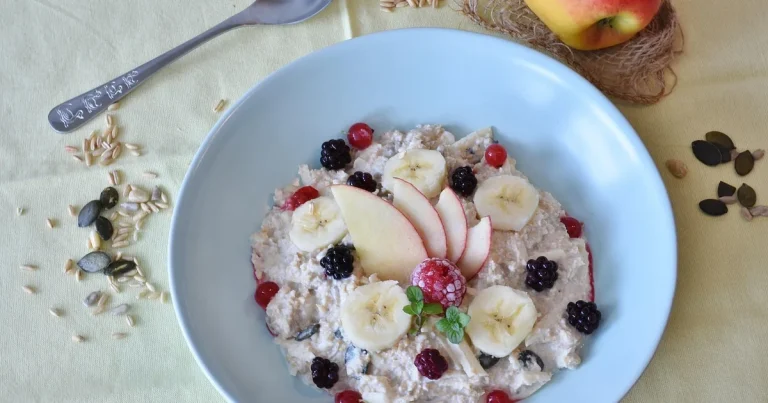
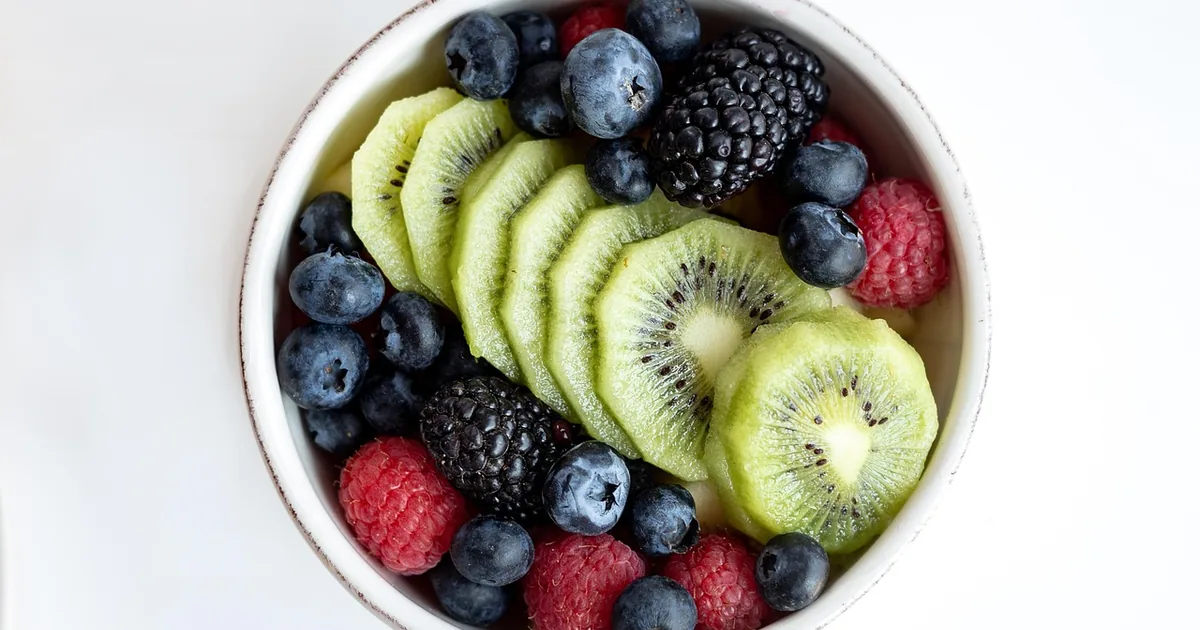
- Plain yoghurt topped with chopped fruit and a sprinkle of oats.
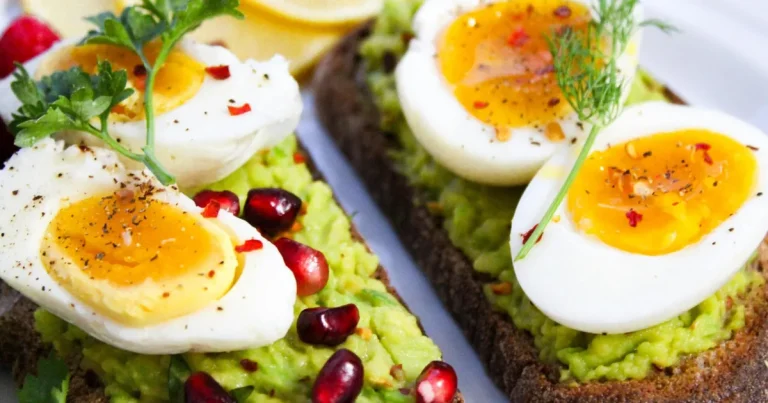
- A boiled egg with a few wholegrain crackers.
- Homemade trail mix of wholegrain cereal, raisins and nuts, for children old enough to eat nuts safely.
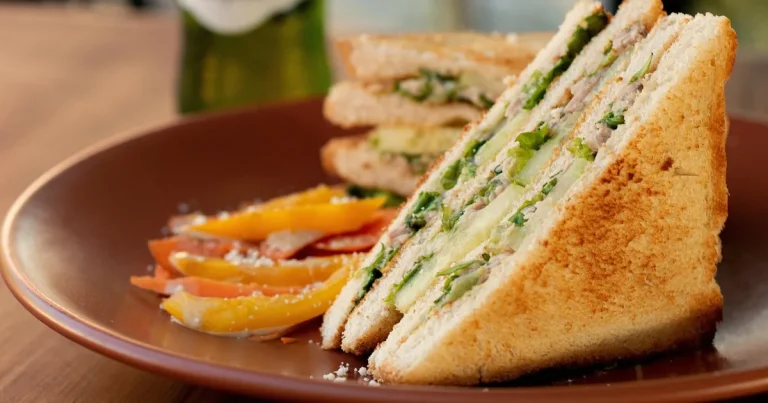
- A small cheese sandwich on wholemeal bread.
- Frozen fruit pops made from blended fruit or yoghurt in an ice tray.
- A bowl of seasonal fruit such as banana, papaya, watermelon or orange.
For days when your child goes straight from school to an activity, pack a snack and a water bottle in their bag. Our guide to healthy lunchbox ideas for kids has more food that travels well.
Make healthy snacking a habit
What you serve matters, but so does how and when. Start by keeping healthy options easy to grab: washed fruit in a bowl, cut vegetables in the fridge and yoghurt on the shelf make the healthy choice the easy one. Then let your child pick from two or three of them, so they feel some control.
Set regular snack times rather than letting children graze. KidsHealth explains that children who graze all day may stop noticing when they are hungry or full, and are more likely to overeat. Serve snacks at the table rather than in front of a screen, where they are easy to overdo.
Older children can learn to read labels and compare the sugar and salt on packets. And sharing a healthy snack with your child is one of the simplest ways to show them what you mean.
What about treats? An occasional treat is fine. The aim is to make sweets, crisps and sugary drinks the exception rather than the everyday snack, and to avoid snacks that are high in sugar, salt and fat most of the time. Our article on how much sugar a child should have explains why.
If your child has a food allergy, a medical condition or you have concerns about their growth or appetite, talk to your child’s doctor for advice that fits them.
Photo: palacioerick via Pixabay