
Bedtime Routine for Kids: How to Make Evenings Calmer and Sleep Better
Bath, teeth, one more story, a drink of water, another trip to the toilet, a sudden urgent question about dinosaurs. For many families, bedtime is the most exhausting part of the day.
A predictable bedtime routine for kids can change that. When children know exactly what comes next, evenings become calmer, they fall asleep more easily and everyone wakes up in a better mood.
Why sleep matters so much
Sleep is when a lot of important work happens. During deep sleep, the body releases hormones needed for growth and development. Dreaming sleep helps with learning and memory. According to KidsHealth, children who do not get enough sleep can have trouble paying attention, mood swings, behaviour problems and difficulties with learning.
How much sleep do children need?
Every child is different, but KidsHealth gives these recommended amounts in each 24 hours:
- Toddlers aged 1 to 2: 11 to 14 hours, including naps.
- Preschoolers aged 3 to 5: 10 to 13 hours, including naps.
- School-age children aged 6 to 13: 9 to 12 hours.
- Teenagers aged 14 to 17: 8 to 10 hours.
Work backwards from the time your child needs to wake up for school to find a sensible bedtime.
Signs your child is not getting enough
Tired children do not always look sleepy. Watch for a child who falls asleep during the day, struggles to concentrate or with schoolwork, is cranky, whiny or moody, or has more behaviour problems than usual. Younger children in particular can become hyperactive rather than slow when they are overtired, which can make bedtime even harder.
Building a bedtime routine that works
Pick a regular bedtime and stick to it, even at weekends where you can. Give a heads-up about 30 minutes before, then again 10 minutes before, so the end of play does not come as a shock.
Keep the steps the same every night. A simple routine might be a bath or wash, changing for bed, brushing teeth, then a story or quiet music in bed. Younger children often like a picture chart showing each step, so they can see what comes next.
Switch off screens early. KidsHealth advises turning off all screens, including TV, tablets, phones and games, at least an hour before bed, and considering keeping devices out of the bedroom altogether.
Make the bedroom sleep-friendly. A cool, dark, quiet room helps. A small night light is fine for children who are afraid of the dark.
Handling the bedtime stalling. Build the usual requests into the routine: a drink before teeth, a toilet trip before the story, and a set number of stories. Once the light is off, keep responses brief and boring. Calm consistency usually works within a week or two.
Track what works
Writing down bedtimes and wake-up times for a week or two can show patterns, such as later nights before grumpy mornings. Our free kids sleep routine tracker makes this easy. For older children, see our article on why teens are so tired.
Talk to your child’s doctor if your child snores loudly, seems to stop breathing during sleep, often wakes in the night, or is still very tired despite enough hours in bed. This article is general information and not a substitute for professional advice.
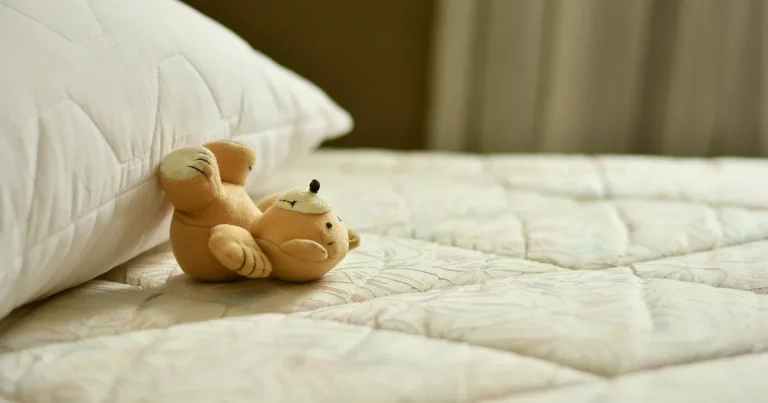
Photo: Mylene2401 via Pixabay