Iron-Rich Foods for Kids: Easy Ways to Help Them Get Enough
Iron does a big job in a small body. It helps red blood cells carry oxygen from the lungs to every part of the body, which children need for energy, growth and concentration. Some children are more likely to run low than others, and a few simple habits make iron-rich foods for kids work much harder.
Who is most likely to run low?
According to KidsHealth, iron deficiency is most likely in two age groups:
- Toddlers, especially after their first birthday, when many move from iron-fortified formula to cow’s milk and may not yet eat enough iron-rich food to make up the difference.
- Teenagers, especially girls once their periods start, because they need extra iron to replace what is lost each month.
Children who do a lot of intense sport, and families who follow a vegetarian diet, may also need to pay closer attention. Low iron matters because it can affect growth and has been linked to learning and behaviour problems. Left uncorrected, it can lead to iron-deficiency anaemia.
The exact amount of iron children need changes with age, and recommended amounts differ slightly between countries. Rather than counting milligrams, most families do best by including an iron-rich food at most meals.
The best iron-rich foods
Iron comes in two forms. The iron in meat, poultry and fish is absorbed more easily than the iron in plant foods, but both are useful.
- From animals: beef and other red meat, chicken and other poultry, fish, prawns and other seafood.
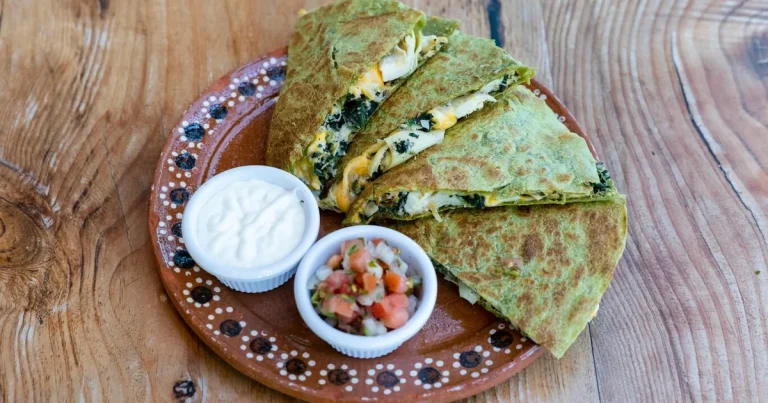
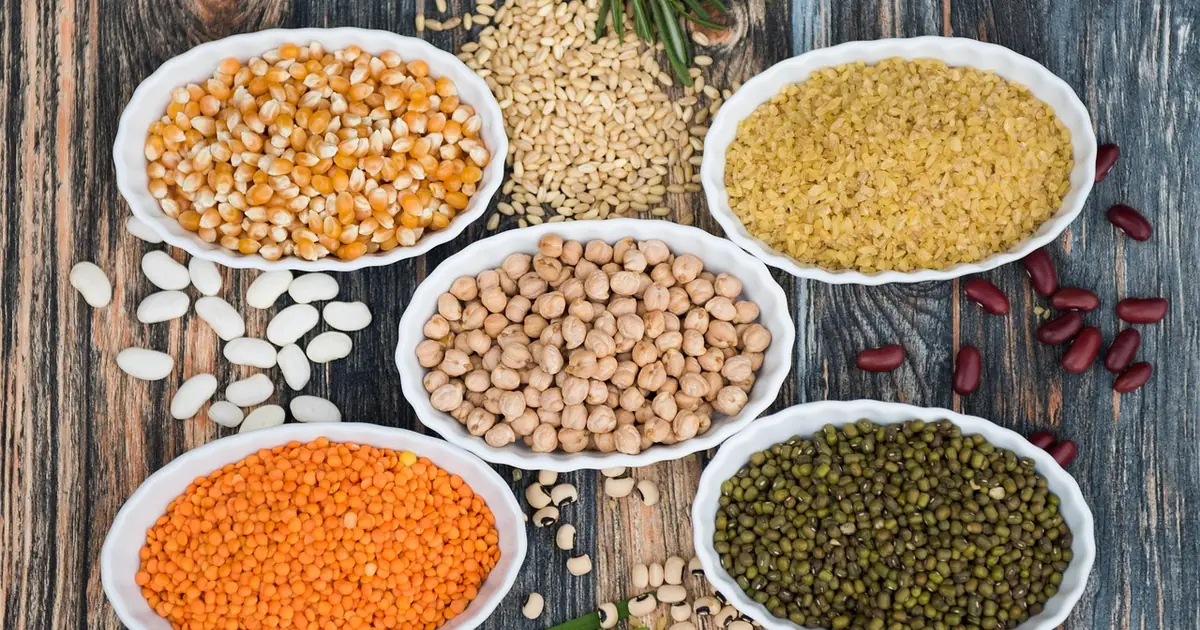
- From plants: tofu and tempeh, lentils, chickpeas and beans, dark leafy green vegetables such as spinach, and dried fruit like raisins and apricots.
- Fortified foods: many breakfast cereals and some breads have iron added. Check the label.
Help the body absorb more
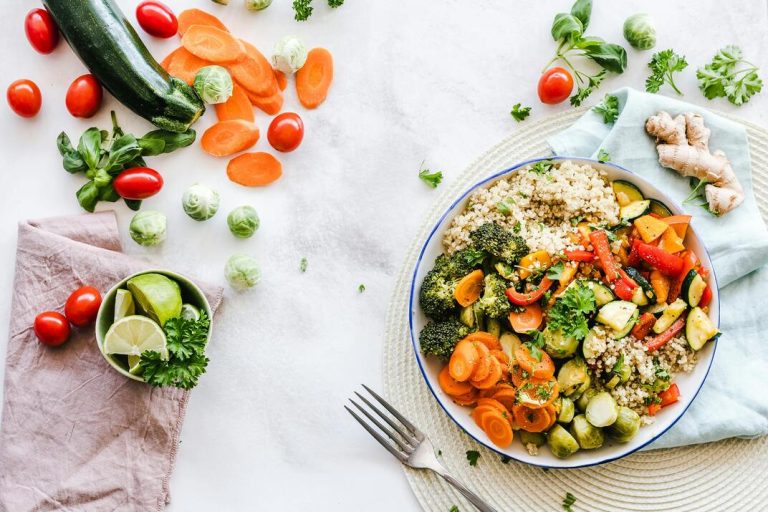
Two small tricks make a real difference. First, pair iron-rich foods with something high in vitamin C, which helps the body absorb iron. Tomatoes, broccoli, oranges and strawberries all work well. A glass of water and a few orange segments with a bean or lentil dish is an easy habit.
Second, avoid serving tea or coffee with meals, because both contain substances that reduce how much iron the body takes in. This mostly matters for older children and teenagers who drink them.
Easy meal ideas
- Scrambled eggs with tomatoes and wholemeal toast for breakfast.
- Beef or chicken stir-fry with broccoli and peppers over rice.
- Lentil or chickpea curry with spinach, followed by orange or papaya.
- Tofu and vegetable fried noodles with a squeeze of lime.
- Fortified cereal with sliced strawberries for a quick breakfast.
If your child is a fussy eater who refuses meat or greens, our guide to helping a fussy eater try new foods has practical ideas.
If you are worried your child may be low in iron, or they follow a restricted diet, talk to your child’s doctor, who can check with a simple blood test. Only give iron supplements if a doctor recommends them. This article is general information and not a substitute for individual medical advice.
Photo: yilmazfatih via Pixabay