European Leaders Push Social Media Ban for Under-15s — What Parents Should Know Now
Governments across Europe are moving to ban social media for children under 15 — and parents everywhere are paying attention. Here’s what’s happening, why it matters, and what you can do at home right now without waiting for any law to pass.
The Prime Minister of the Czech Republic recently expressed support for restricting social media access for children under 15, joining a growing list of governments taking a harder look at how platforms affect young people. This isn’t a fringe position anymore — it’s becoming mainstream policy thinking across Europe and beyond.
Why Governments Are Stepping In
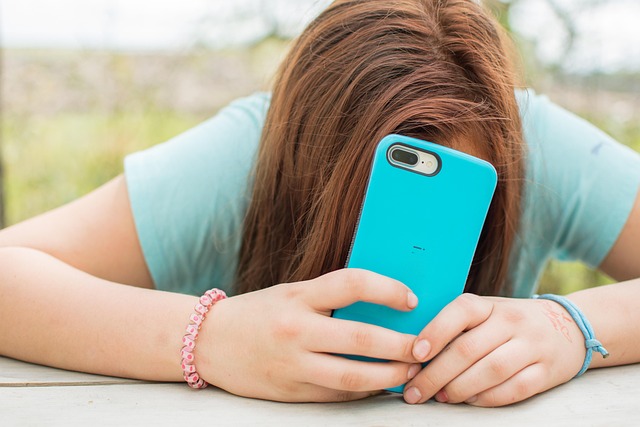
Social media use among children has increased dramatically over the past decade. Many kids now spend several hours daily on platforms like TikTok, Instagram, and YouTube — often without parents fully understanding what they’re seeing or how long they’re actually online.
Experts and health organisations are raising concerns about:
- Shortened attention spans and difficulty focusing
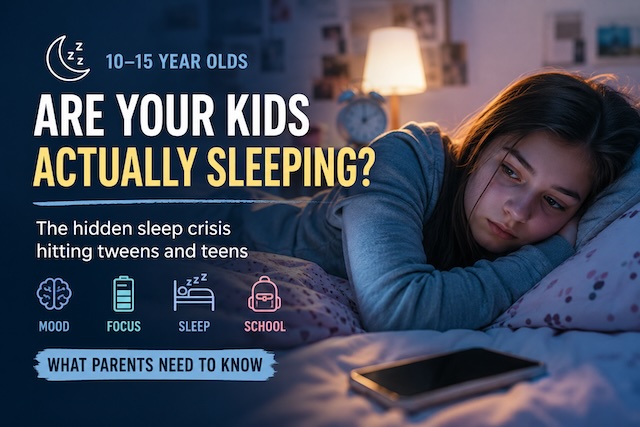
- Sleep disruption from late-night phone use
- Increased anxiety, low mood, and mood swings
- Reduced physical activity and outdoor time
- Addictive scrolling driven by platform design — not children’s choices
That last point is key. Features like infinite scroll, autoplay, and algorithm-driven content are deliberately designed to keep users — including children — hooked. Governments are stepping in precisely because parents alone cannot fix what platform engineers have built.
This Is a Global Shift — Not Just One Country
The Czech Republic is not acting alone. A growing number of countries are already introducing or seriously considering restrictions on children’s social media use:
- Australia passed a law in late 2024 banning social media for children under 16
- France introduced age verification requirements for under-15s
- The European Union is tightening rules on addictive platform features targeting minors
- The UK is strengthening its Online Safety Act with children specifically in mind
What was once considered a parenting problem is now being recognised as a public health and regulatory issue. That’s a significant shift — and it matters for how we think about children and screens at home.
What Parents Are Already Noticing
You don’t need a government report to know something is off. Many parents are already seeing the signs at home:
- Kids becoming irritable or anxious after time on social media
- Loss of interest in hobbies, sport, or spending time with family
- Difficulty focusing on homework or sitting still
- Sleep problems — taking longer to fall asleep, waking tired
- Secrecy around what they’re watching or who they’re talking to
These aren’t signs of a bad kid or bad parenting. They’re signs of a system that was designed to create dependency — in adults and children alike.
What You Can Do at Home Right Now
You don’t need to wait for legislation. These practical steps make a real difference — and none of them require a perfect household or a technology ban.
1. Delay Social Media Access If You Can
The research is consistent — the later children start using social media, the better the outcomes for mental health, sleep, and emotional regulation. Even delaying by one or two years makes a measurable difference.
2. Keep Phones Out of Bedrooms at Night
This single change has one of the biggest impacts on sleep quality. Charge phones in a communal area overnight — not in bedrooms. It removes temptation without requiring any difficult conversations about screen time limits.
3. Replace Screens with Engaging Alternatives
Simply limiting hours rarely works on its own — kids need something to move towards, not just something being taken away. Sports, creative hobbies, outdoor time, and family activities all provide the stimulation and connection that social media mimics. Need ideas? Check out our guide to keeping kids active during school holidays.
4. Have Honest Conversations — Not Lectures
Kids respond far better to understanding why something matters than to being told what to do. Talk about how these platforms are designed, what the research says, and what you’ve noticed at home. You might be surprised how much they already know — and agree with.
5. Model the Behaviour You Want to See
Children are watching what parents do far more than listening to what parents say. If your own phone is always in hand, screen time limits become very hard to enforce. Small visible changes — putting your phone away at dinner, not checking it first thing in the morning — send a powerful message.
The Bigger Picture
The growing push from governments to restrict children’s access to social media is not about banning technology. It’s about recognising that children deserve protection from systems designed to exploit their developing brains — just as we protect them from other adult content and environments.
For parents, this is actually good news. It means the conversation is shifting — from “why can’t you just control your kid’s phone use” to “why are these platforms allowed to target children this way.” That’s a more honest framing of the problem. And it takes some of the pressure off you.
📋 What This Means For You — Quick Summary
- Governments in Europe and Australia are moving to restrict social media for under-15s and under-16s
- The concern is real — platforms are designed to be addictive, and children are especially vulnerable
- You don’t need to wait for laws — small changes at home make a measurable difference
- Delay access where possible, move phones out of bedrooms, and replace screens with engaging alternatives
- This is a systemic issue, not a parenting failure — and the conversation is finally shifting in the right direction
Small changes today can make a significant difference in your child’s long-term wellbeing. And you’re clearly already thinking about it — which puts you ahead of most.