How Much Salt Should a Child Have? Simple Ways to Cut Back
We often think about sugar in children’s food, but salt gets far less attention. Yet according to the World Health Organization, almost every population in the world eats too much of it. So how much salt should a child have, and how can families cut back without making meals bland?
Why too much salt matters
Salt is made mostly of sodium, which the body needs in small amounts. The main problem with eating too much is raised blood pressure, which increases the risk of heart disease and stroke later in life. Children who get used to salty food tend to keep those tastes as they grow up, so the habits formed now really count.
How much salt is recommended?
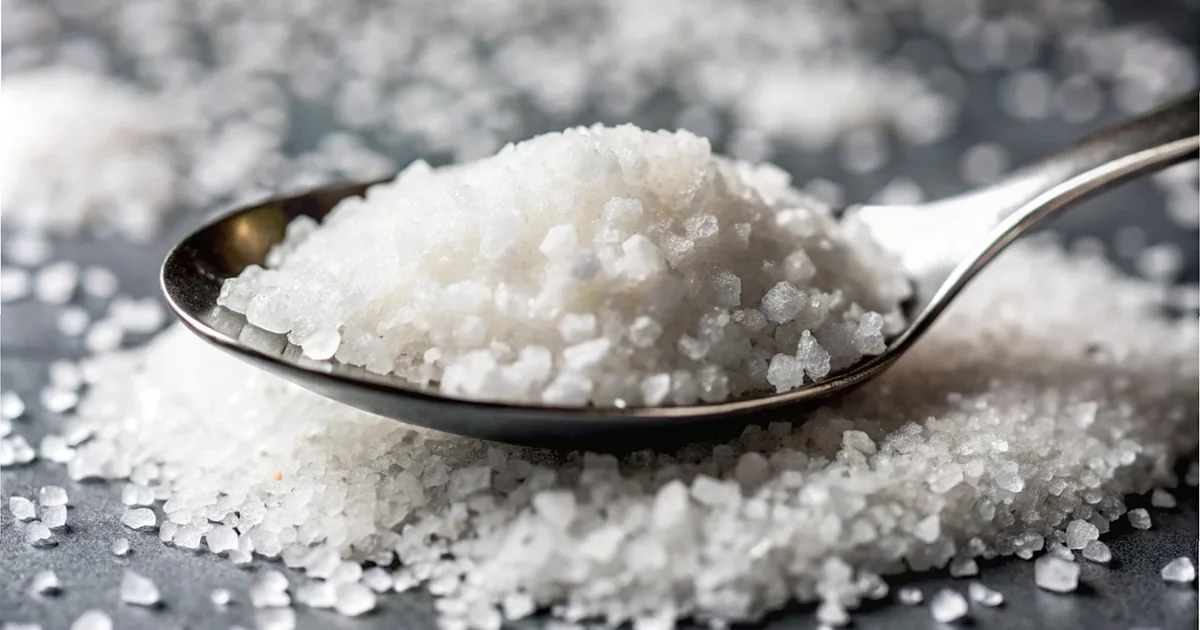
WHO recommends that adults eat less than 5g of salt a day, about one teaspoon. On average, adults around the world eat about 11g a day, more than double that.
For children aged 2 to 15, WHO advises that the limit should be lower than the adult amount, scaled down to match their smaller energy needs. In other words, the younger the child, the less salt they need. Some countries publish exact daily limits by age, so check your local health guidance if you want a specific number.
Babies and toddlers under two have different needs. WHO’s salt advice does not cover this age, but it is generally best not to add salt to babies’ food. Ask your child’s doctor if you are unsure.
Where the salt is hiding
Most salt does not come from the salt shaker. WHO notes that it is often found in high amounts in processed foods such as bread, processed meats and packaged snacks, and in condiments such as soy sauce and fish sauce. Ketchup, stock cubes and instant noodles with their seasoning packets are other common sources in family meals.
Food labels usually list sodium rather than salt. To convert, remember that 1g of salt contains 400mg of sodium. So a snack with 400mg of sodium contains about 1g of salt.
Easy ways to cut back
The simplest step is to cook from fresh, minimally processed food when you can, since home-cooked meals are usually much lower in salt. Take the salt off the table, so nobody adds it out of habit, and lean on garlic, ginger, lemongrass, lime, herbs and spices for flavour.
Sauces are where many family meals pick up most of their salt. Add soy or fish sauce a little at a time, choose reduced-salt versions where you can find them, and taste before adding more. With instant noodles, use half the seasoning packet and add vegetables and an egg. When shopping, compare labels on bread, cereals and snacks and pick the lower-sodium option.
Choose salt with added iodine. WHO advises that the salt you do use should be fortified with iodine, which is essential for healthy brain development in young children.
Taste buds adjust. Cutting back gradually over a few weeks means most children barely notice the difference. The same label-reading skills help with sugar too, as our article on how much sugar a child should have explains. For school days, our guide to healthy lunchbox ideas has lower-salt options.
If your child has a medical condition such as kidney disease or high blood pressure, follow the advice of their doctor. This article is general information and not a substitute for individual medical advice.
Photo: clickphotography via Pixabay