Short-Sightedness in Children: How Outdoor Time and Screen Breaks Can Help
Is your child squinting at the television, sitting closer and closer to the board at school, or holding books very near their face? These can be early signs of short-sightedness, also called myopia. It is becoming more common in children around the world, and many parents wonder whether all that time on screens and homework is to blame.
The encouraging news is that some simple everyday habits may help. Here is what the World Health Organization says about how to prevent myopia in children, or at least delay and slow it.
What is myopia?
Myopia means a child can see things close up clearly but finds it hard to see things far away, such as the board at school, road signs or a ball coming towards them. It happens when the shape or length of the eye means light does not focus properly at the back of the eye.
WHO expects the number of people with myopia to rise to 3.36 billion by 2030, and says this rise will be driven largely by lifestyle factors that can be changed. That is why everyday habits in childhood matter.
Why it matters for children
Uncorrected vision problems are the leading cause of poor vision in children, according to WHO, and they can affect schoolwork. A child who cannot see the board clearly may struggle to keep up or lose interest, without realising that their eyes are the problem. Glasses can fully correct the blurry vision, so spotting it early makes a real difference.
Habits that may help
WHO lists three strategies that may help delay the start of myopia and slow it down once it begins:
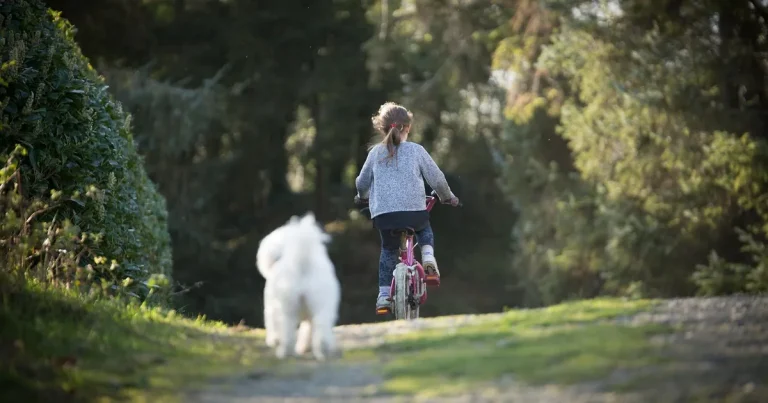
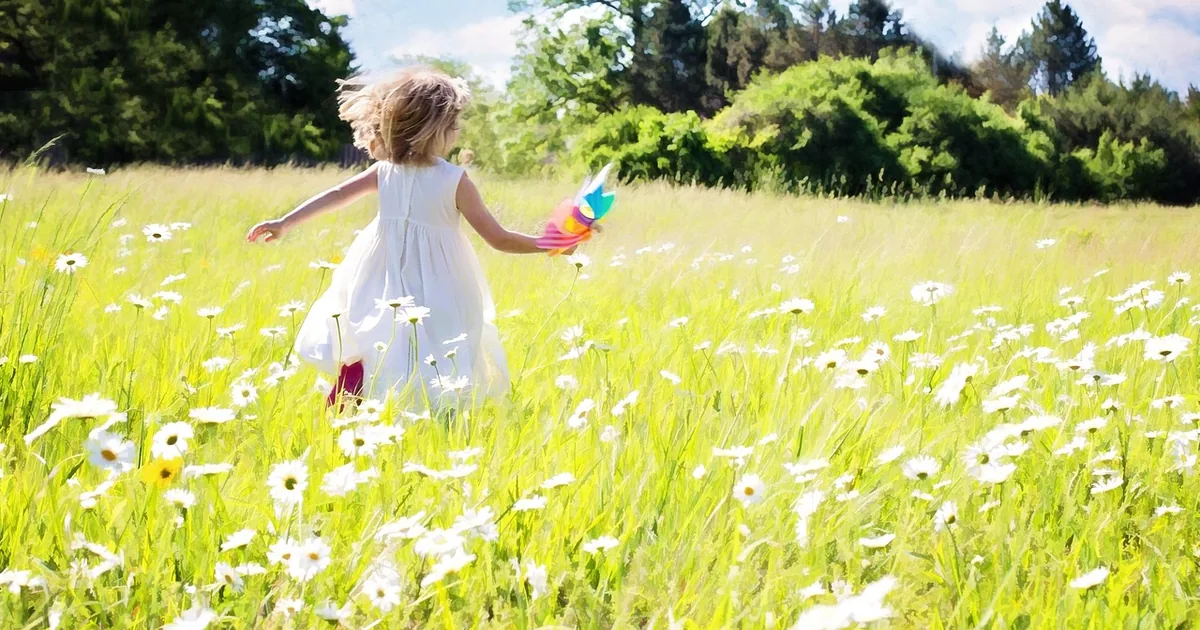
- Get outside every day. Aim for at least 90 minutes outdoors in daylight. Walking to school, playground time, sport, cycling and weekend outings all count.
- Take regular breaks from close-up work. Reading, homework, tablets, phones and handheld games all keep the eyes focused up close. Encourage your child to stop every so often, look out of the window or across the room, and move about.
- Wear glasses as prescribed. If your child has been given glasses or another treatment, using them consistently matters.
These steps may also lower the risk of high myopia, a more severe form that can cause eye problems later in life.
Make outdoor time easy. Building outdoor play into the daily routine is easier than finding extra time at weekends. A walk after school, homework breaks in the garden or balcony, and outdoor family activities all add up. In sunny countries, pair it with a hat and shade. Our fun ways to keep kids active during the school holidays are full of outdoor ideas.
Signs your child may need an eye test
- Squinting or screwing up their eyes to see things far away.
- Sitting very close to the television or holding books and screens near their face.
- Complaining that the board at school is blurry.
- Frequent headaches, rubbing their eyes or tired eyes.
- Losing interest in schoolwork or activities that need good distance vision.
Children rarely complain about their eyesight because they do not know what clear vision should look like. Regular eye checks, through school screening programmes or an optometrist, are a sensible habit even if you have not noticed any problems. How often children should have their eyes checked varies between countries, so ask your child’s doctor or optometrist.
Screens are not the only part of the picture, but balanced device habits help eyes and well-being alike. Our article on why screen time limits are not enough has practical ideas. This article is general information and not a substitute for professional advice.
Photo: JillWellington via Pixabay