Healthy Lunchbox Ideas for Kids: How to Pack a Balanced School Lunch
Packing a lunchbox every school day can feel like a puzzle: something healthy, something they will actually eat, and something that still looks good after five hours in a school bag. The easiest way to make it work is to stop thinking about recipes and start thinking about a simple formula. Once you have that, healthy lunchbox ideas for kids become much easier to mix and match.
The five-part lunchbox formula
Aim to include one thing from each group:
- A starchy food for energy: rice, noodles, wholemeal bread, a wrap, pasta or potato. Wholegrain versions such as brown rice or wholemeal bread are a good choice when your child will eat them.
- Some protein: egg, chicken, fish, tofu, tempeh, beans, lentils or cheese.
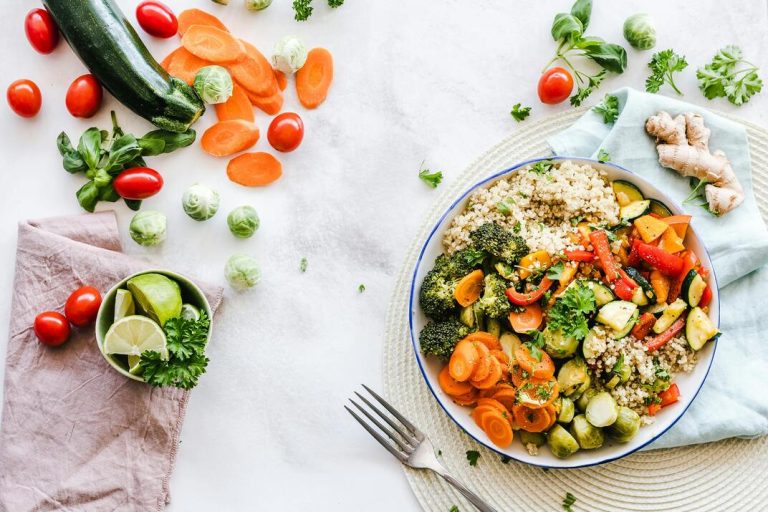
- Vegetables: cucumber or carrot sticks, cherry tomatoes, corn, or vegetables mixed into fried rice or noodles.
- Fruit: a banana, apple slices, orange segments, grapes cut in half for younger children, papaya or guava.
- A drink: a bottle of plain water.
Fruit and vegetables matter most. The World Health Organization suggests at least 250g of fruit and vegetables a day for children aged 2 to 5. That rises to 350g at ages 6 to 9, and 400g for children older than 10. A lunchbox with one portion of each is a big step towards that.
Lunchbox ideas to rotate
Children often like the same lunch for a while, then suddenly go off it. Having a few favourite lunches to rotate keeps things fresh:
- Fried rice with egg, peas and carrots, plus apple slices.
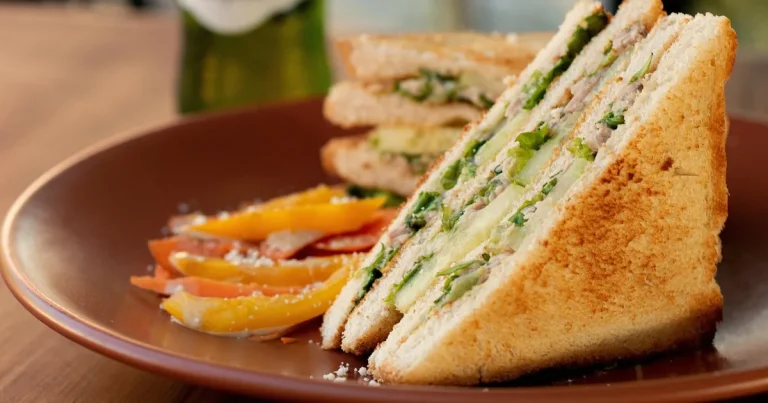
- Wholemeal sandwich with egg or tuna, cucumber sticks and a banana.
- Noodles with chicken and vegetables, plus orange segments.
- A wrap with hummus or cheese and grated carrot, plus grapes.
- Leftover curry or stew with rice in a food flask, plus cut papaya.
Leftovers from dinner are some of the easiest and healthiest lunches of all. Cook a little extra in the evening and half the job is done.
Easy swaps for packaged snacks
Many packaged snacks and drinks contain a lot of added sugar or salt. WHO advises keeping free sugars, the sugars added to food plus those in honey, syrups and fruit juice, to less than 10% of daily energy. A few simple swaps help:
- Sweet drinks and juice boxes: pack water instead.
- Biscuits or cake: try fruit, a boiled egg or a few crackers with cheese.
- Crisps: try corn, steamed soybeans, plain popcorn or vegetable sticks with a dip.
Our guide on how much sugar children should have explains how to check labels quickly.
Keeping food safe and appealing
In hot weather, food can spoil before lunchtime. An insulated lunch bag with a cold pack, or a frozen bottle of water that thaws by lunch, helps keep food cool. Hot food stays warm in a good food flask if you fill it while the food is piping hot. Keep cooked rice and meat chilled until you pack them, and throw away anything that comes home uneaten.
For fussy eaters, small portions and familiar foods work best, with one new thing in a little container on the side. Letting children help choose and pack their lunch the night before often makes them more likely to eat it. Habits formed in childhood often last into adulthood, so a balanced lunchbox is an investment as well as a meal.
If your child has a food allergy, check your school’s food policy, label their box clearly and speak to their doctor about an allergy plan. If you are worried about your child’s weight, growth or eating, their doctor or a dietitian can advise. This article is general information and not a substitute for individual medical advice.
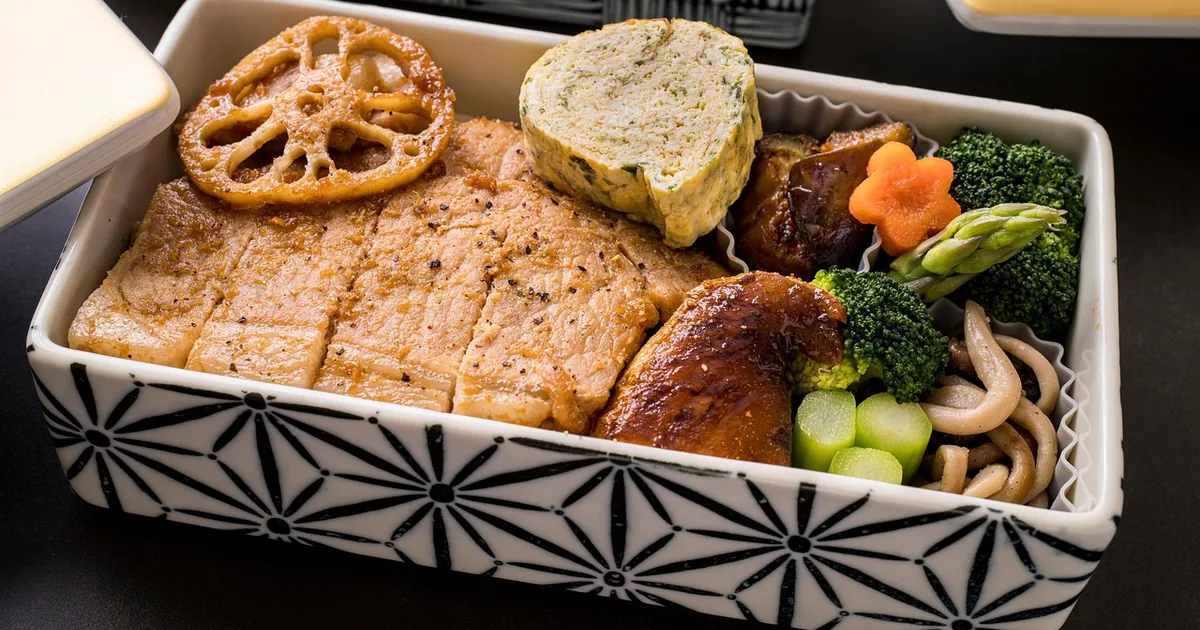
Photo: HirokazuTouwaku via Pixabay