When Your Child Hates Losing: How to Help Them Cope
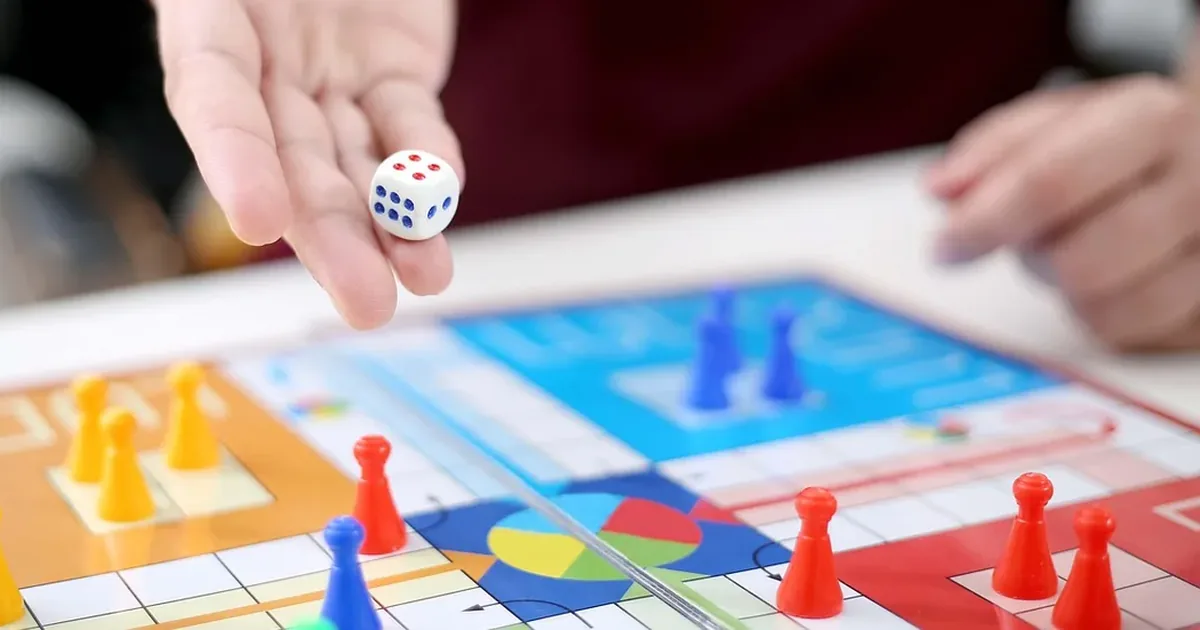
The dice roll the wrong way, a sibling lands on the last square first, and suddenly the game is over in tears. Pieces may go flying. Some children shout that the game is stupid; others quietly change the rules so they cannot lose. If your child hates losing, you are dealing with one of the most ordinary growing-up struggles there is, even if it does not feel ordinary at 7pm on a school night.
Losing hurts because young children feel things at full volume and have not yet learned how to hold a disappointment and carry on. To a five-year-old, losing a race can feel like proof that they are not good at anything. That gap between the size of the feeling and the size of the event usually narrows with age and practice. The good news is that practice is something families can offer every day, mostly through play.
The ideas below are mainly for children of about 4 to 10, and they shift a little with age. With younger children, keep games short, stay close and do most of the calming yourself. Older primary-age children are often ready to talk about what happened once they have cooled down, and to practise saying “Good game” before asking for a rematch.
In the moment: stay calm and name the feeling
When the meltdown starts, a lecture about sportsmanship will not land. A child who is flooded with feeling needs you to stay steady first. Kneel down, keep your voice low and describe what you see: “You really wanted to win that one. Losing feels horrible.” Naming the feeling does not mean agreeing that throwing the board is fine. It shows your child that the feeling is understandable and that you are not frightened by it.
Once they have calmed down, you can be clear about behaviour. A simple, matter-of-fact line works better than a long talk: “It’s fine to feel cross. It’s not fine to throw the pieces. Let’s pick them up together.” If the game has to stop, let it stop without drama, and offer a rematch later.
It also helps to avoid labels. Calling a child a sore loser, even jokingly, tends to make them feel worse about a feeling they are already struggling with.
Practise losing when the stakes are low
Children get better at losing by losing, in small doses, with someone kind beside them. Short games of chance such as snakes and ladders, dominoes or simple card games are ideal, because nobody can be blamed for the outcome. A few habits make those games gentler training:
- Play quick games so another round always comes soon.
- Let yourself lose out loud and show how you handle it: “Oh, I nearly had it. Well played. Shall we go again?”
- Avoid letting your child win every time. A win that is always arranged teaches nothing about losing, though giving younger children a head start is fair.
- Mix in cooperative games where everyone wins or loses together, such as building the tallest tower as a team or beating a sand timer.
Your own reactions matter more than any rule you explain. KidsHealth, the parenting site run by Nemours Children’s Health, puts it plainly: kids learn how to be a good sport from the adults in their lives. A parent who groans at the television when their team loses, then laughs it off and moves on, is giving a small lesson in how disappointment passes.
After a match or a lost race
The drive home after a lost football match is often when children feel worst, and when adults are most tempted to replay every mistake. Try leading with something else. KidsHealth suggests asking, “What did you do well during the game?” and only then, if your child wants to, talking about what they would like to do better. That keeps the focus on effort and improvement, which is something your child can control, rather than the score, which they cannot.
Praise works the same way. Try “You kept running even when you were tired”, or “You passed to your friend when you could have shot”. Comments like these give your child something real to feel proud of on a day the result went against them. Losing then becomes part of playing rather than the end of the world.
Some children try to avoid losing altogether, by quitting halfway, refusing to play or bending the rules. That is usually fear of the feeling rather than bad character. Gentle encouragement to finish the game, plus plenty of low-stakes practice, tends to work better than punishment. Outdoor games where nobody keeps score, like those in our 21-Day Outdoor Play Challenge, are a good way to keep a reluctant child playing.
Coping with losing tends to improve gradually, and often unevenly, as children get older and have more practice. It is worth talking to your child’s teacher or your GP if big reactions to losing are getting worse rather than better or happen across lots of everyday situations. The same goes if they are stopping your child from joining in with friends at all. For most families, though, the answer is patience, a calm adult and a lot more games.
Photo: F1Digitals via Pixabay